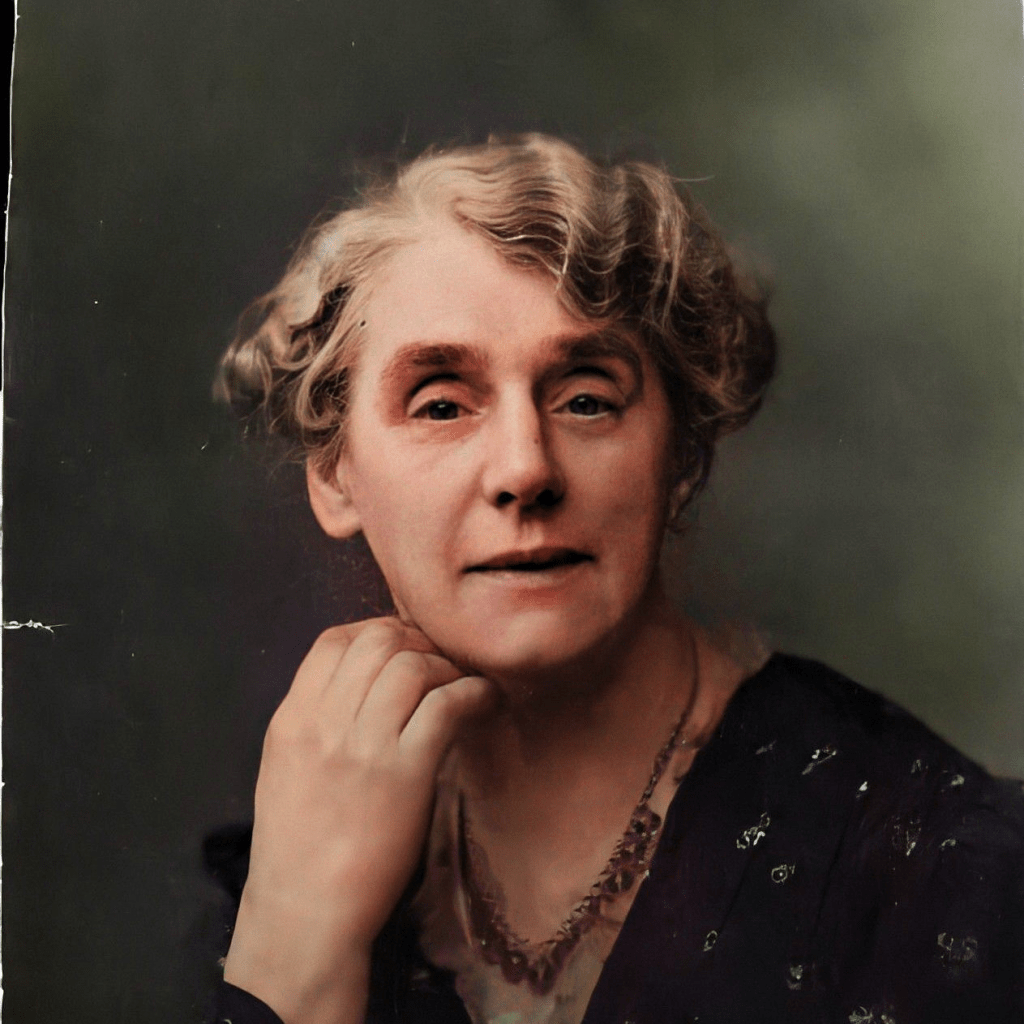
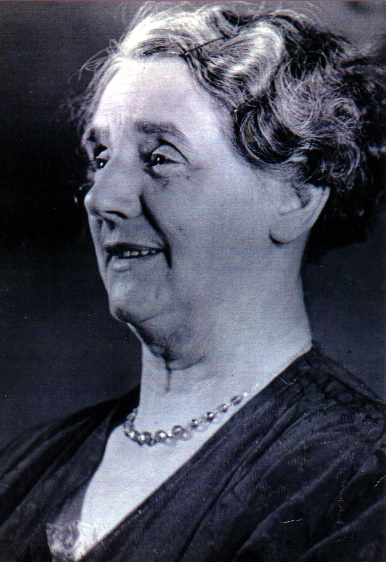
Florence Gertrude Rose (née Wright) lived a remarkable life spanning eight decades from 1880 to 1960, witnessing the transformation of Britain through the Victorian era, two world wars, and the dawn of the modern age. Born into a working-class family in Manchester and later residing in the Liverpool area, she embodied the experiences of countless women of her generation who managed large families while supporting their husbands’ civic and professional careers.
Early Life and Family Origins
Birth and Childhood in Manchester
Florence Gertrude Wright was born in January 1880 in Manchester, Lancashire, England, to Charles Wright (aged 30) and Emily Hall Callan (aged 23).
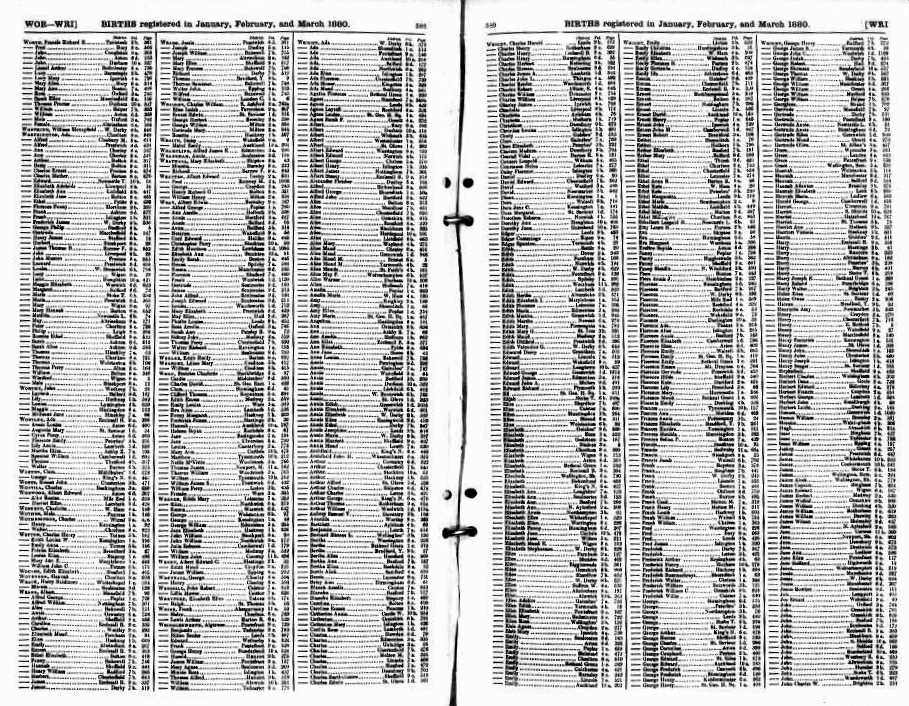
Her birth occurred during a period of industrial expansion in Manchester, when the city was establishing itself as a major manufacturing center. The family’s circumstances reflected the typical working-class experience of the late Victorian era, with Charles Wright working to support a growing household.
The Wright family demonstrated the mobility characteristic of industrial-era families, moving from Manchester to the Wirral peninsula across the River Mersey. By 1881, when Florence was just one year old, the family had relocated to Harpurhey, Lancashire. This early movement suggests Charles Wright may have been seeking better employment opportunities or housing conditions for his expanding family.
Growing Up in Seacombe, Cheshire
The most significant family relocation occurred when Florence was around eleven years old. By 1891, the Wright family had settled in Seacombe, Cheshire, on the Wirral peninsula. Seacombe was a developing township within the parish of Wallasey, strategically located near the Mersey ferry services that connected the area to Liverpool. This location provided both residential amenities and convenient access to employment opportunities across the river in Liverpool’s bustling commercial district.
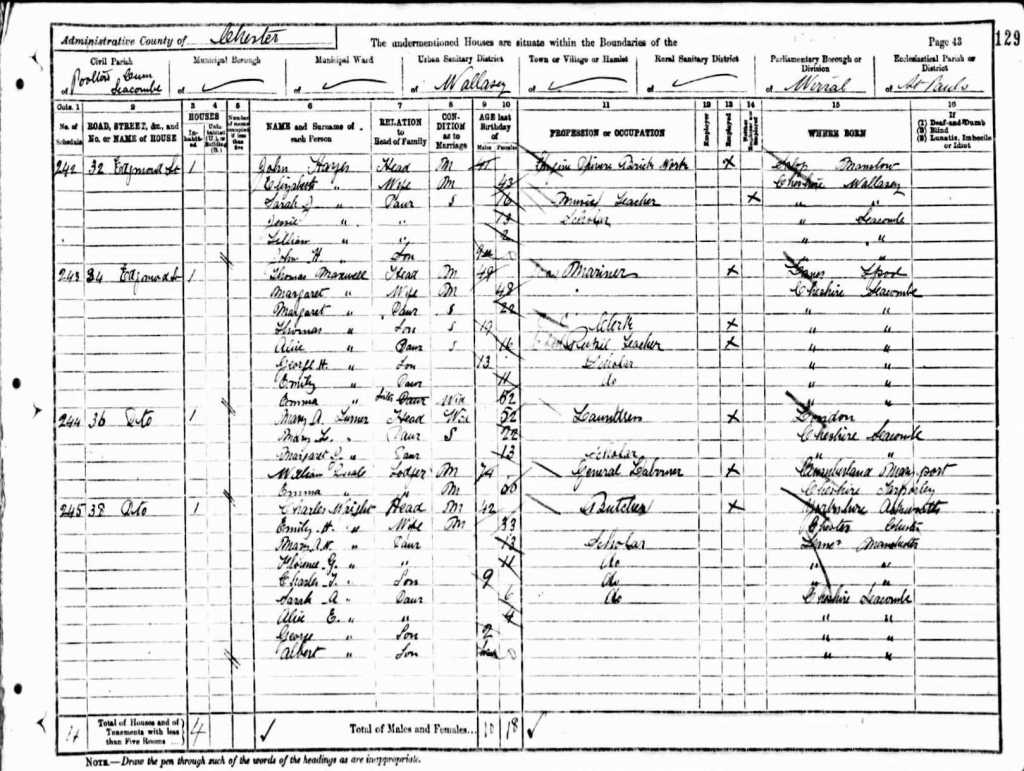
Living in Seacombe placed the Wright family within a community that was experiencing rapid growth due to improved transportation links and Liverpool’s commercial expansion. The area attracted working families seeking better living conditions while maintaining access to urban employment. Florence would have grown up in this environment of opportunity and social mobility that characterized the Wirral during the late Victorian period.
Family Structure and Siblings
Florence was the eldest of nine children born to Charles and Emily Wright, making her a significant figure in family dynamics and likely bearing considerable responsibility for younger siblings. Her siblings included:
- Charles T Wright (born circa 1882 in Manchester)
- Sarah A Wright (born 3 August 1884 in Seacombe, Cheshire)
- Alice E Wright (born 1887 in Seacombe, Cheshire)
- George Wright (born 1889 in Seacombe, Cheshire)
- Albert Edward Wright (born 31 March 1891 in Seacombe, Cheshire)
- Elizabeth Wright (born 1893 in Lancashire)
- Gertrude Wright (born 1896 in Lancashire)
- Percy Wright (born 1899 in Seacombe, Cheshire)
This large family structure was typical of working-class households in the late Victorian era, when children were viewed both as economic assets and as security for parents in their old age. As the eldest daughter, Florence would have been expected to assist with household duties and childcare responsibilities, preparing her for the domestic management skills she would later need as a wife and mother.
The geographic spread of the children’s birth locations reflects the family’s movements during this period, with some born in Manchester, others in Seacombe, and several in Lancashire more broadly. This mobility suggests Charles Wright’s work may have required relocations, or that the family was actively seeking improved circumstances.
Young Adulthood and Career
Life as a Young Woman in 1901
By 1901, at age 21, Florence was working as a waitress while still living with her family in Seacombe, Cheshire. This employment choice reflected the limited but expanding opportunities available to working-class women in the early 20th century. The hospitality industry provided one of the few respectable employment options for unmarried women, offering both income and social interaction that domestic service positions often lacked.
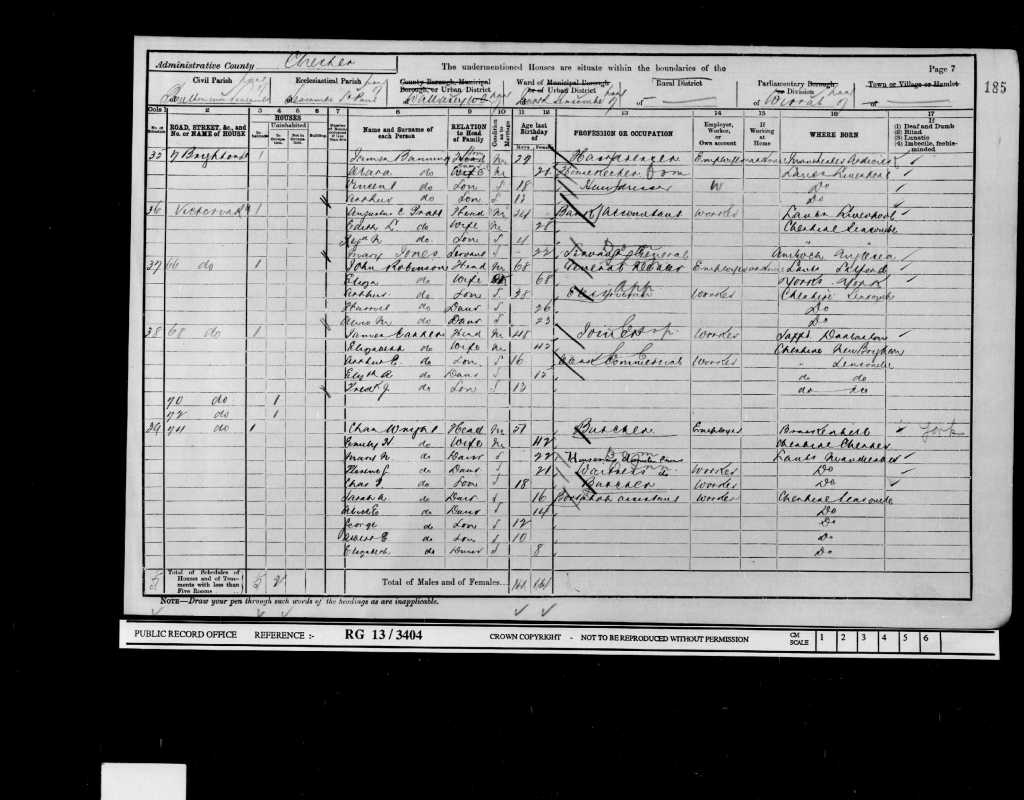
The 1901 census reveals Florence as single and employed, living in a household that included multiple family members. Her status as an unmarried working woman at 21 was not unusual for the period, as many women delayed marriage to contribute to family income or to accumulate savings for their eventual households.
Florence’s work as a waitress would have provided her with valuable social skills and experience in managing customer relationships—abilities that would prove beneficial in her later role as the wife of a prominent civic leader. The hospitality industry also exposed workers to a broader cross-section of society than many other employment options available to working-class women.
Marriage and Early Married Life
Wedding to Herbert Edward Rose
On 23 June 1903, at age 23, Florence married Herbert Edward Rose at St Paul’s Church in Seacombe. Herbert, born on 24 August 1877 in Alnwick, Northumberland, was nearly three years her senior and would prove to be a man of considerable ambition and civic dedication. The choice of St Paul’s Church in Seacombe for their wedding reflected both families’ connection to the local community and their Anglican faith.
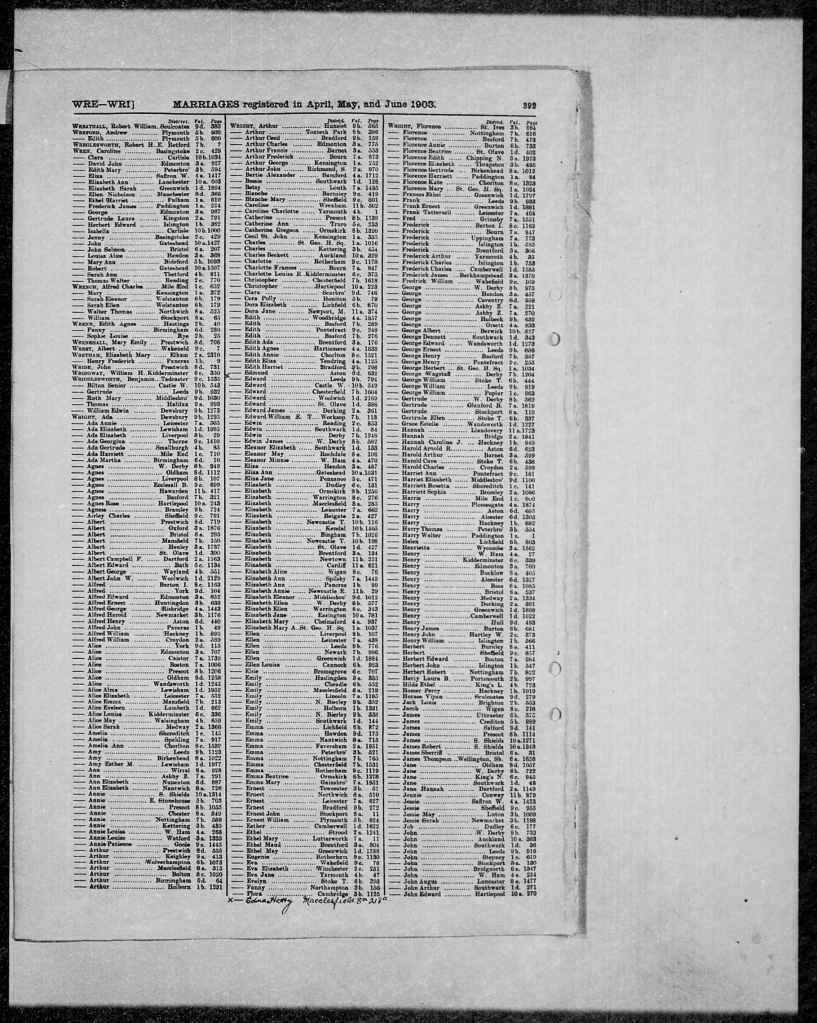
Herbert Edward Rose came from a different background than Florence, having been born in Northumberland before moving to the Liverpool area. At the time of their marriage, he was beginning what would become a distinguished career in public service and civic leadership. Their union represented a partnership that would span four decades and encompass significant social and political changes in Britain.
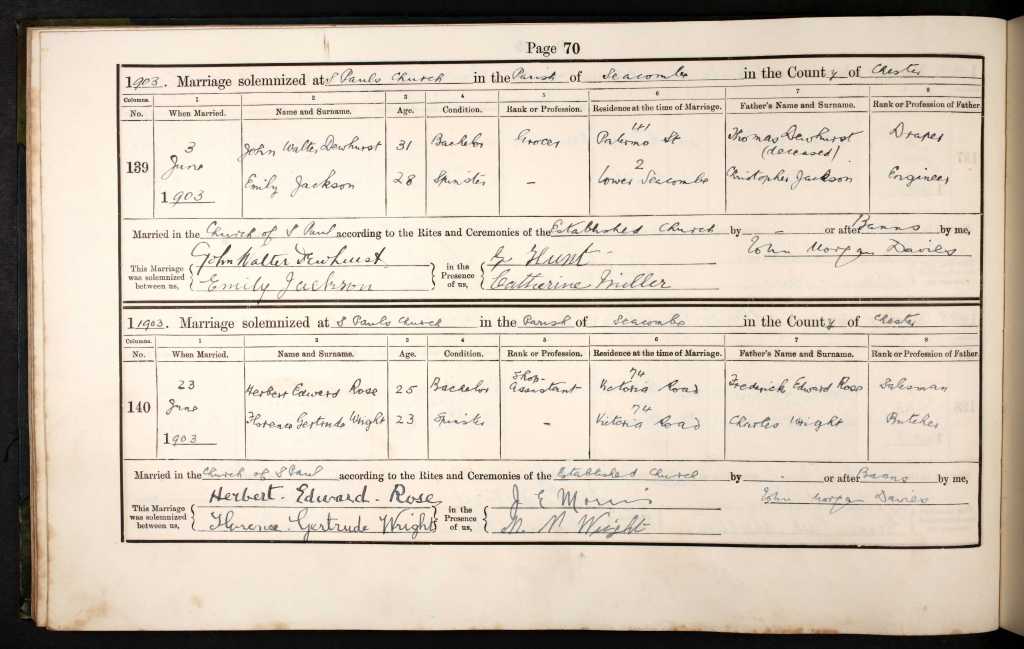
The marriage ceremony at St. Paul’s Church, Seacombe, took place during the Edwardian era, a period characterised by social reform and changing expectations for middle-class families. Florence’s marriage to Herbert represented an opportunity for social advancement, as her husband’s career would eventually elevate the family’s status within Liverpool society.
Early Years of Marriage and Motherhood
Following their 1903 marriage, Florence and Herbert established their household and began raising a large family. According to research findings, they had eleven children over eighteen years from 1903 to 1921. This remarkable fertility rate reflected both the era’s family planning practices and the couple’s apparent prosperity, as supporting such a large family required considerable economic resources.
The children born to Florence and Herbert included Charles, Frederick, Herbert Jr., Gertrude, Irene, and Percy Alexander Rose. The family names chosen for their children reflect both traditional English naming patterns and possible family connections, with Herbert Jr. carrying his father’s name and Gertrude sharing Florence’s middle name.
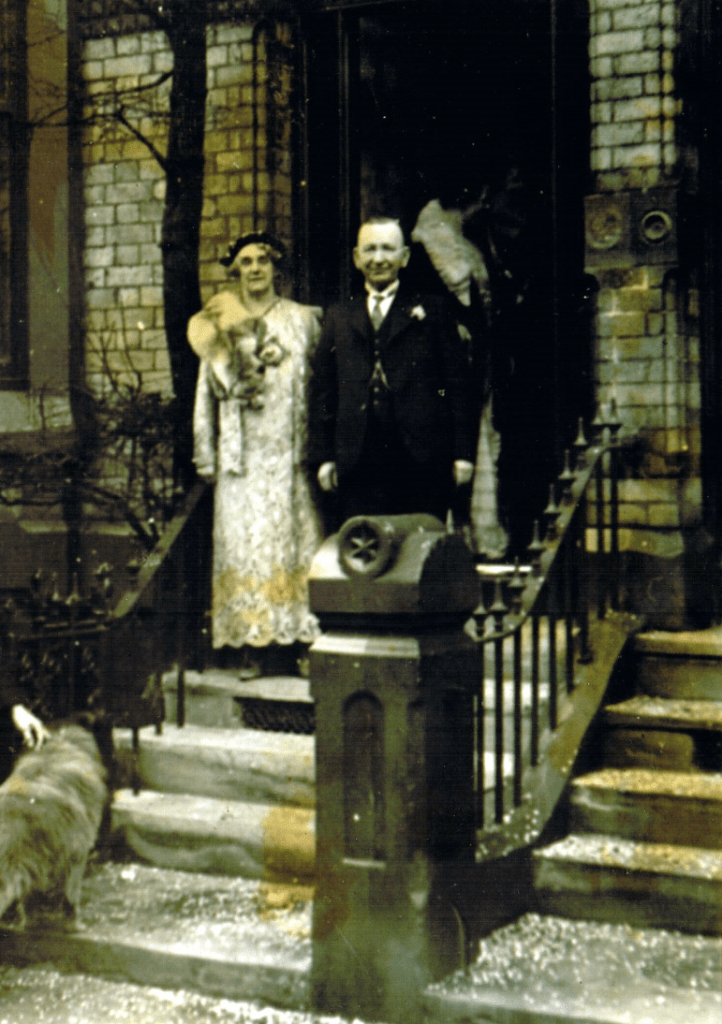
During these early married years, the family lived in various locations around Liverpool, including addresses in Everton. This area of Liverpool was experiencing significant development during the early 20th century, attracting families seeking improved housing conditions and access to urban amenities. The family’s residence in Everton suggests Herbert’s career was providing sufficient income to support their growing household in a respectable neighbourhood.
Life During Herbert’s Political Career
Supporting a Rising Civic Leader
Herbert Edward Rose’s career in public service significantly shaped Florence’s adult life and social position. Herbert was elected as Alderman for the Kirkdale ward of Liverpool in January 1931 and was re-elected in November 1935. This political role brought both opportunities and responsibilities for Florence, who would have been expected to support her husband’s public activities while managing their large household.
As the wife of an alderman, Florence would have participated in various social and civic functions, representing the family at community events and maintaining the social connections necessary for Herbert’s political success. The role required considerable social skills and the ability to navigate Liverpool’s complex political and social hierarchies during a period of significant economic and social change.
Herbert’s political career coincided with some of the most challenging periods in modern British history, including the Great Depression and the preparations for the Second World War. Florence’s support during these difficult times would have been crucial to Herbert’s ability to serve effectively in public office while maintaining family stability.
Recognition and Honors
The significance of Herbert’s civic contributions was formally recognized when the University of Liverpool awarded him an honorary Master of Arts degree on 4 July 1942. This honor reflected not only Herbert’s individual achievements but also the family’s standing within Liverpool society. For Florence, her husband’s academic recognition represented the culmination of decades of supporting his career while raising their children.
The University of Liverpool’s recognition of Herbert during wartime demonstrated the importance of civic leadership during Britain’s most challenging period. Florence’s role in maintaining family stability and supporting Herbert’s public service contributed to this achievement, though such contributions by political wives were rarely formally acknowledged during this era.
The timing of Herbert’s honorary degree, during the height of World War II, emphasised the critical importance of local government leadership during national crises. Florence’s support during this period would have been essential, as Herbert balanced his civic responsibilities with family concerns during wartime uncertainty.
Wartime and Loss
The Death of Herbert Edward Rose
Florence’s life took a dramatic turn on 19 October 1943, when her husband Herbert Edward Rose died at age 66. Herbert’s death occurred during the height of World War II, when Britain was still engaged in the global conflict that would define the 1940s. His passing marked the end of a significant political career and left Florence, at age 63, to navigate widowhood during one of history’s most challenging periods.
Herbert’s death was noted in Liverpool City Council records, reflecting his significant contributions to local government. The timing of his death during wartime may have limited the public recognition typically accorded to prominent civic leaders, as the nation’s attention was focused on the ongoing global conflict.
For Florence, Herbert’s death represented not only personal loss but also a significant change in social status and economic circumstances. As a widow during wartime, she would have faced challenges related to rationing, housing shortages, and the general disruptions of wartime life, all while grieving the loss of her lifelong partner.
Later Life and Community Connections
Widowhood in Post-War Britain
Following Herbert’s death in 1943, Florence lived as a widow for seventeen years, witnessing Britain’s recovery from World War II and the emergence of the modern welfare state. This period of her life, though less documented than her earlier years, would have involved adapting to significant social and economic changes while maintaining connections to the Liverpool community where she had spent most of her adult life.
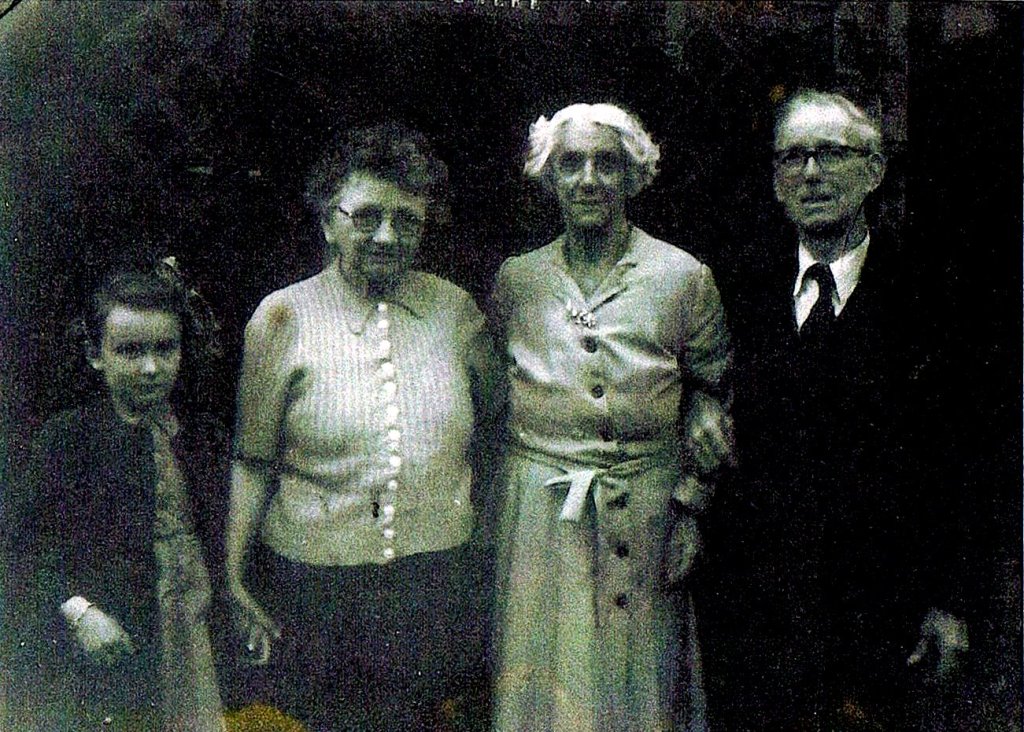
As a widow with adult children, Florence likely received support from her large family while maintaining her independence. The post-war period brought significant changes to British society, including the establishment of the National Health Service and expanded social services that would have affected her daily life and financial security.
Florence’s continued residence in the Liverpool area during this period reflected her deep community connections and the social networks she had developed during Herbert’s political career. The city itself was recovering from wartime bombing and undergoing significant reconstruction, providing a backdrop of renewal and change for Florence’s later years.
Community Standing and Legacy
Throughout her widowhood, Florence maintained the social standing she had achieved as an alderman’s wife, though the nature of her community involvement likely changed. The post-war period saw expanded opportunities for women’s civic participation, but Florence, in her 60s and 70s, may have chosen to focus on family relationships and personal interests rather than formal public roles.
Her long residence in the Liverpool area had created extensive community connections that would have provided both social support and opportunities for continued civic engagement. The large Rose family network, with eleven children and their eventual families, would have created a substantial extended family system centered around Florence as the matriarchal figure.
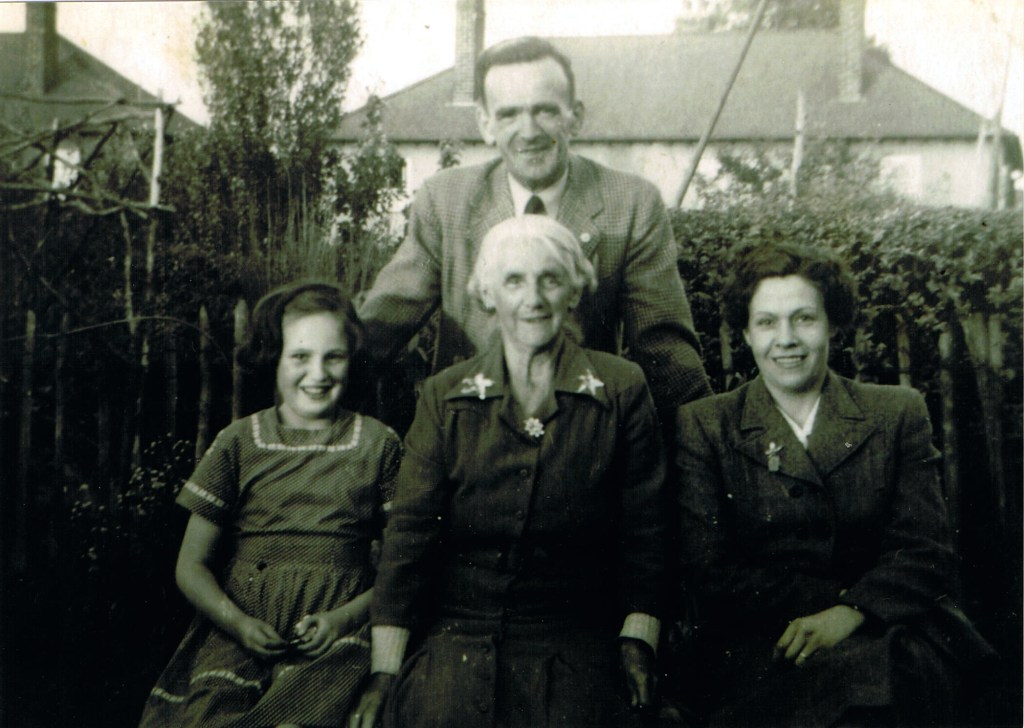
The social changes of the 1950s, including improved healthcare, expanded transportation, and new forms of entertainment, would have affected Florence’s daily life during her final years. Her longevity, reaching age 80 in 1960, was notable for someone born in 1880, reflecting both personal constitution and the improving living conditions of the 20th century.
Death and Final Years
Final Years in Liverpool
Florence Gertrude Rose died on 29 July 1960, at the age of 80, in the Metropolitan Borough of Liverpool, Merseyside, England. Her death occurred during the early 1960s, a period of significant social change in Britain, as the country was experiencing post-war prosperity and the beginning of the cultural transformations that would define the decade.
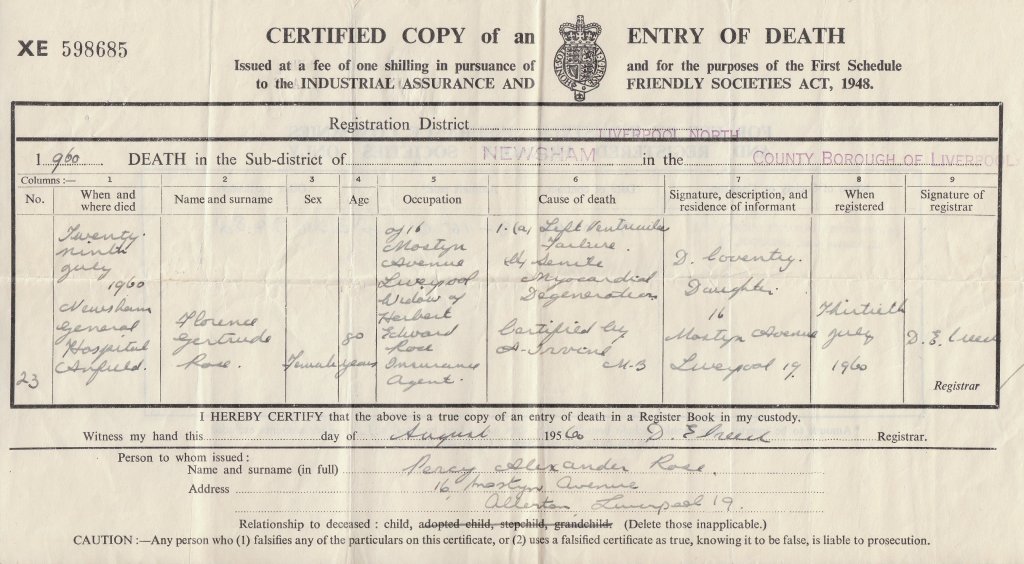
The location of Florence’s death in Liverpool reflected her lifelong connection to the area where she had spent most of her adult life. From her arrival in Seacombe as a child through her marriage, motherhood, and widowhood, the Liverpool area had been her primary home and the center of her social and family networks.
Florence’s obituaries, published in Liverpool newspapers, provided community recognition of her passing and acknowledged her role as the widow of former Alderman Herbert Edward Rose. These obituaries served to inform the extensive network of family, friends, and community members who had known Florence during her long life in the area.

Legacy and Historical Significance
Florence Gertrude Rose’s life spanned a period of unprecedented change in British society, from the height of the Victorian era through two world wars to the beginning of the modern era. Her experiences reflected those of countless women who managed large families while supporting their husbands’ careers and adapting to rapidly changing social and economic conditions.
As the wife of a prominent civic leader and the mother of eleven children, Florence’s contributions to Liverpool society, though largely undocumented, were significant. Her support enabled Herbert’s public service career while her maternal role contributed to raising the next generation during some of Britain’s most challenging periods.
The documentary evidence of Florence’s life, including census records, marriage certificates, death certificates, and obituaries, provides insight into the experiences of working-class and lower-middle-class women during a transformative period in British history. Her story illustrates the social mobility possible in early 20th-century Britain and the important but often unrecognized contributions of political wives to civic life.
Conclusion
Florence Gertrude Rose’s eight-decade life journey from her birth in industrial Manchester to her death in post-war Liverpool encompasses the remarkable transformation of British society during one of its most dynamic periods. Born into a working-class family during the height of the Victorian era, she witnessed and adapted to unprecedented social, economic, and political changes while fulfilling the multiple roles of daughter, sister, wife, mother, and community member.
Her marriage to Herbert Edward Rose in 1903 marked not only a personal milestone but also the beginning of a partnership that would contribute significantly to Liverpool’s civic life. Through supporting Herbert’s rise to aldermanic office while raising eleven children, Florence demonstrated the essential but often invisible contributions made by women to public service and community development during the early to mid-20th century.
The extensive documentary record of Florence’s life—from birth registration through census records to death certificates and obituaries—provides valuable insight into the experiences of her generation of women. Her story reflects both the constraints and opportunities available to working-class women who achieved social mobility through marriage and family success, while adapting to the dramatic changes that transformed Britain during her lifetime.
Florence’s legacy extends beyond her individual achievements to encompass her role in the broader narrative of British social history. Her life experiences illuminate the importance of family networks, community connections, and personal resilience in navigating periods of rapid change. Her story serves as a testament to the countless women whose contributions to family and community life enabled the civic achievements and social progress of their era, even when their individual efforts remained largely unrecorded in formal historical accounts.
Through careful research and documentation, Florence Gertrude Rose emerges not merely as the wife of an alderman or the mother of eleven children, but as a significant figure whose life experiences reflect the broader themes of social mobility, family responsibility, and community contribution that defined British life during the transformative decades of the late 19th and early 20th centuries. Her story enriches our understanding of the social and family structures that supported Britain’s civic development during this crucial period in the nation’s history.
Hi Ann-Marie, I’m genuinely sorry that this has upset you. The site is very much a work in progress and…
This is disgusting, as a part of this family it’s incredibly inaccurate. Very jaded and entirely inappropriate you have not…


 Hollingsworth Family History
Leave a comment