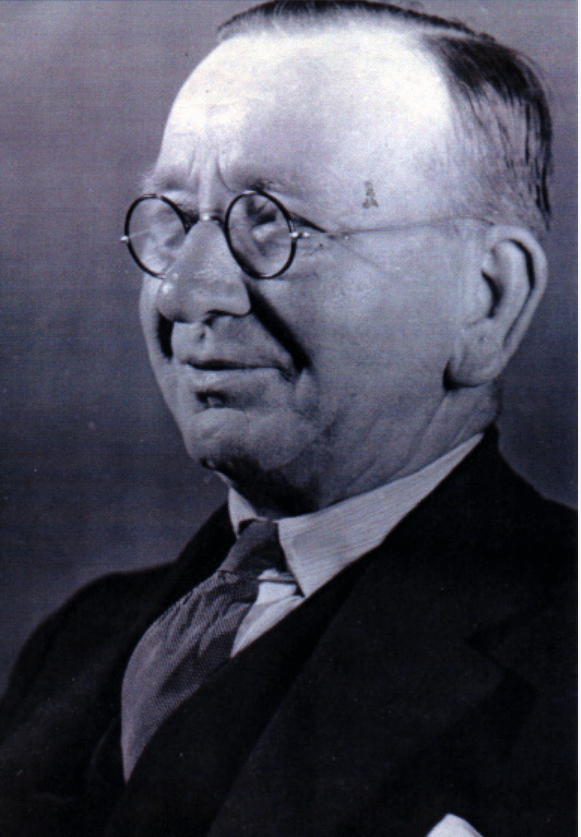
Alderman Herbert Edward Rose represents a significant figure in the early development of the Labour movement in Liverpool, embodying the transition from Victorian social reform to twentieth-century socialist politics. Born into a military family in Northumberland, Rose would dedicate his life to public service, political activism, and social welfare, ultimately receiving recognition from the University of Liverpool for his contributions to civic life.
Early Life and Family Origins
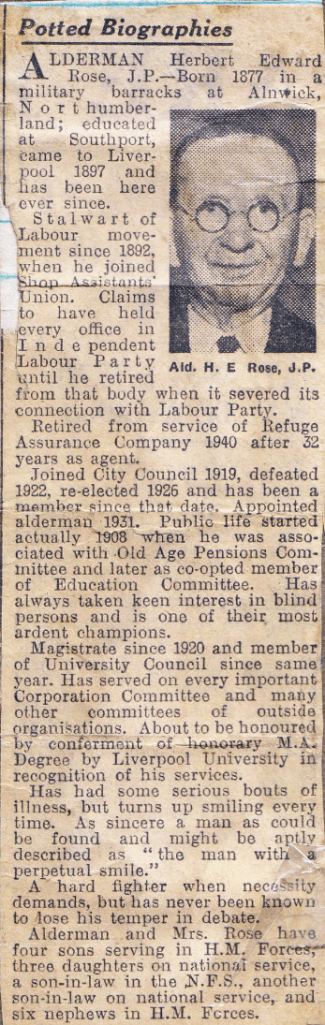
Herbert Edward Rose was born on 24 August 1877 in the military barracks at Alnwick, Northumberland, to Frederick Edward Rose, aged 37, and Lydia Rose (née Young), aged 31. His birth in a military setting reflected the Rose family’s connection to service, though Herbert would channel this tradition towards civilian rather than military endeavours. He was one of eleven children born to Frederick and Lydia Rose, a large family size that he would later replicate in his own domestic life.
The family background suggests modest but respectable circumstances. His father Frederick worked in various capacities, and the family’s size reflects the Victorian norm for working-class families. Herbert’s upbringing in Northumberland exposed him to the industrial transformations occurring across northern England during the late Victorian period, experiences that would later inform his political consciousness and commitment to working-class welfare.
Political Awakening and Early Career
Rose’s political awakening occurred during his youth in Southport, where he made the momentous decision to join the newly formed Independent Labour Party (ILP), a choice that sent “shock waves through his family and friends”. This decision proved so controversial within his family that his father refused to accept it, leading his mother to provide him with £5 to “make his own way in life”. This estrangement from his family demonstrates the radical nature of socialist politics in the 1890s and the personal cost of political conviction.
The Independent Labour Party, founded in Bradford in 1893 under Keir Hardie’s leadership, represented a crucial development in British political history. The ILP emerged from frustration with the Liberal Party’s reluctance to endorse working-class candidates and their perceived failure to address labour concerns effectively. Rose’s early involvement with this movement positioned him among the pioneers of independent labour politics in Britain.
Moving to Liverpool in the mid-1890s, Rose joined the Liverpool branch of the ILP and quickly established himself as a key organizer. The Liverpool ILP branch, established in June 1892, included notable figures such as James Larkin among its founders. Rose became not merely a member but “one of the founders of the Independent Labour party in Liverpool and Southport,” highlighting his organizational capabilities and commitment to the socialist cause.
Political Career and Municipal Service

Rose’s entry into formal political office began in 1919 when he was first elected to Liverpool City Council as the Labour member for Old Swan ward. This victory came during a period of significant political upheaval following the First World War, when Labour was making substantial gains across Britain. The Old Swan ward, located in the eastern suburbs of Liverpool, represented a mixed working-class and lower-middle-class constituency that reflected the changing demographics of post-war Britain.
His initial tenure on the council lasted until 1922, when he lost his seat during a period of Conservative resurgence. However, Rose’s commitment to public service remained unwavering, and he successfully returned to the council in 1926 as the member for Breckfield ward. Breckfield ward, situated in the Everton and Anfield districts of Liverpool, encompassed working-class communities that were particularly receptive to Labour’s message of social reform and municipal improvement.
Rose’s appointment as a magistrate in 1920 demonstrated the respect he had earned from both political colleagues and the broader community. This judicial role reflected not only his personal integrity but also the growing acceptance of Labour representatives in positions of civic authority. Magistrates played crucial roles in addressing the social problems of the era, dealing with cases ranging from minor offenses to family disputes, positioning Rose at the intersection of law and social welfare.
Rise to Aldermanic Status
The pinnacle of Rose’s political career came with his elevation to the position of Alderman in January 1931. The aldermanic system in Liverpool, which persisted until later local government reforms, represented the senior tier of municipal government. Aldermen were elected by the councillors themselves rather than directly by voters, making Rose’s selection a recognition of his standing among his political peers. He was re-elected to this position in November 1935, demonstrating continued confidence in his leadership and service.
Rose’s aldermanic tenure coincided with some of the most challenging periods in Liverpool’s modern history. The 1930s brought the Great Depression, mass unemployment, and severe social hardship to Liverpool’s working-class communities. As an alderman during this period, Rose would have been involved in municipal responses to unemployment, housing shortages, and social welfare provision. His work during these years demonstrated the practical application of socialist principles to the challenges of local government.hollingsworthfamilyhistory
The political landscape of Liverpool during Rose’s career was complex and often contentious. The city’s politics were characterized by strong religious and ethnic divisions, with Protestant and Catholic communities often aligned with different political parties. Rose’s success in navigating this environment while maintaining his Labour principles speaks to both his political acumen and his ability to appeal across traditional community divisions.
Leadership in Labour Movement Organizations
Beyond his elected positions, Rose played crucial leadership roles in the organizational structures that transformed Liverpool’s labour movement. He served as both president and executive member of the Liverpool Trades Council, the central coordinating body for trade unions in the city. This position placed him at the heart of industrial relations and working-class organization, demonstrating his influence extended beyond electoral politics into the broader labour movement.
Rose was also a member of the executive body of the Labour Redemption Committee, which played a vital role in the merger of various labour organizations into the unified Liverpool Labour Party. This organizational work was fundamental to Labour’s electoral success in Liverpool and reflects Rose’s understanding that political progress required institutional development alongside ideological commitment.
His involvement with the Labour Redemption Committee highlights a crucial period in Labour Party development. The early twentieth century saw various socialist and labour organizations gradually coalescing into the modern Labour Party structure. Rose’s participation in these merger negotiations demonstrates his practical political skills and his commitment to unity over sectarian divisions within the left.
Commitment to Social Welfare and Blind Advocacy
Rose’s dedication to social welfare extended far beyond his political roles into specialized areas of charitable and social work. He devoted considerable energy to advocacy for the blind, serving as a member of the executive committee of the Northern Counties Association for the Blind and participating in the management committee of the Liverpool Workshops for the Blind. This commitment reflected both personal conviction and the broader socialist emphasis on supporting society’s most vulnerable members.
The Liverpool Workshops for the Blind represented part of a national network of employment centers designed to provide meaningful work for visually impaired individuals. These workshops, which had operated in Liverpool since the mid-nineteenth century, offered training in various trades including brush-making, basket weaving, and other crafts. Rose’s involvement in their management demonstrated his commitment to practical solutions for social problems rather than merely theoretical advocacy.
The Northern Counties Association for the Blind served a broader coordinating function, working to improve conditions and opportunities for blind individuals across northern England. Rose’s participation in this regional organization shows his understanding that effective welfare work required coordination beyond individual cities. His involvement occurred during a crucial period for blind welfare, as the 1920 Blind Persons Act had established new statutory responsibilities for local authorities to “promote the welfare of blind persons”.
The 1920s and 1930s witnessed significant developments in blind welfare policy, partly driven by the aftermath of the First World War, which had created many newly blinded veterans. Rose’s work in this field placed him at the forefront of progressive social policy, advocating for the rights and dignity of disabled individuals at a time when such advocacy was far from universal.
Prison Reform and Criminal Justice
Rose’s commitment to social reform extended into the field of criminal justice through his chairmanship of the Liverpool Area Discharged Prisoners’ Aid Society. This organization was part of a national network of discharged prisoners’ aid societies that emerged during the Victorian period to address the challenges faced by ex-prisoners attempting to reintegrate into society.
The discharged prisoners’ aid movement represented a progressive approach to criminal justice that emphasized rehabilitation over purely punitive measures. These societies typically provided practical assistance including accommodation, employment assistance, and ongoing support to help former prisoners avoid re-offending. Rose’s leadership role in the Liverpool organization demonstrates his belief in the possibility of individual redemption and social rehabilitation.
During Rose’s chairmanship, the discharged prisoners’ aid societies were evolving from largely charitable organizations into more professionalized services. His involvement came during a period when criminological thinking was beginning to emphasize social and economic factors in criminal behaviour, aligning with broader Labour Party approaches to social problems.
The work of discharged prisoners’ aid societies was often challenging and underappreciated, requiring sustained commitment from volunteers and leaders like Rose. His willingness to chair such an organization reflects both his practical Christianity and his socialist belief in the fundamental dignity and potential for improvement of all individuals, regardless of their past actions.
Trade Union Leadership
Rose’s position as an official of the Assurance Agents Union demonstrates his involvement in the practical organization of working-class interests. The insurance industry employed significant numbers of working-class agents who sold policies door-to-door throughout Britain’s industrial cities. These agents often worked under difficult conditions with limited job security and low pay, making trade union organization particularly important for their welfare and professional development.
The Assurance Agents Union represented workers in an industry that was expanding rapidly during the early twentieth century as insurance became more widely available to working-class families. Rose’s involvement in this union reflects his understanding that socialist principles needed practical application in workplace organization and collective bargaining.
His union work complemented his political activities, as trade unions were fundamental to the Labour Party’s electoral coalition and policy development. The relationship between unions and the Labour Party during this period was often complex, with union leaders sometimes preferring more moderate approaches than political activists. Rose’s ability to work effectively in both spheres suggests considerable political skill and pragmatic judgment.
Personal Life and Family
On 23 June 1903, Rose married Florence Gertrude Wright at St Paul’s Church, Seacombe. Florence, born in 1880 in Manchester to Charles Wright and Emily Hall Callan, came from a working-class background that complemented Rose’s own origins. Their marriage at St Paul’s Church, Seacombe, reflected the couple’s connection to the Wirral area across the River Mersey from Liverpool.
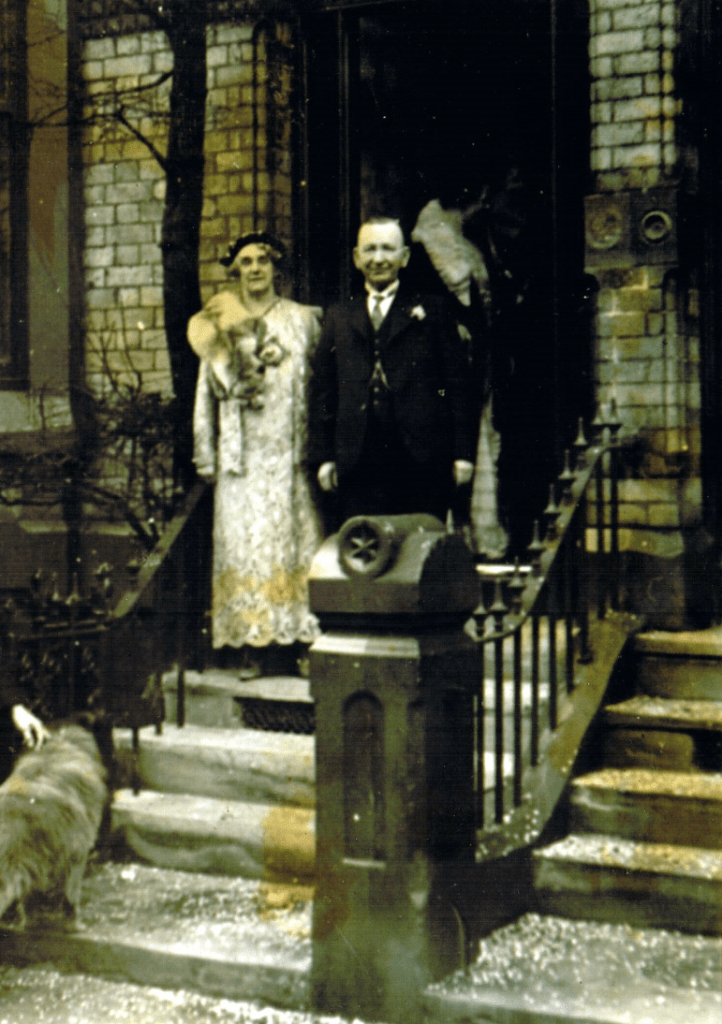
The couple established their marital home in various locations throughout Liverpool, reflecting both Rose’s political career and changing family circumstances. Their residential addresses included Everton and Garston, working-class areas that aligned with Rose’s political base and personal connections to Liverpool’s labour community. Their final residence was at 16 Mostyn Avenue, Garston, where Rose lived until his death.
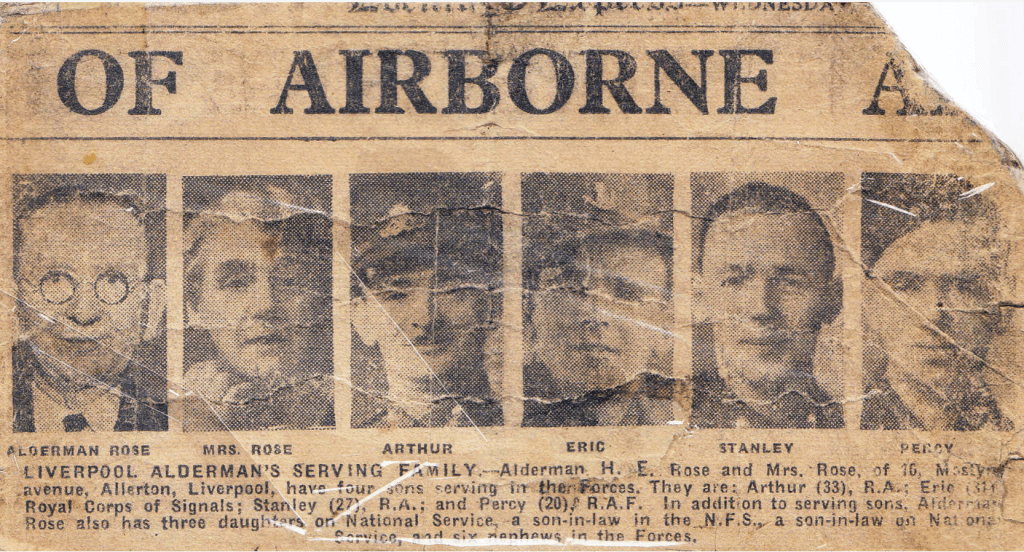
Herbert and Florence Rose had eleven children during their forty-year marriage, replicating the family size that Herbert had experienced in his own childhood. The children included Charles, Frederick, Herbert, Gertrude, Irene, and Percy Alexander, names that reflected both family traditions and contemporary popular choices. Supporting such a large family on a public servant’s salary would have required careful financial management and demonstrated Rose’s commitment to family life alongside his public duties.
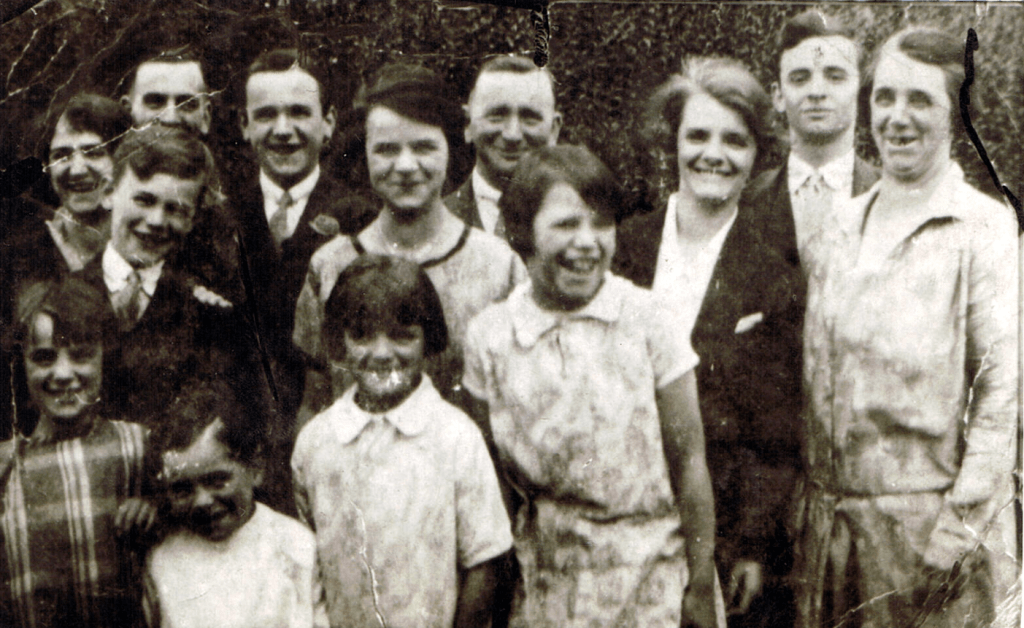
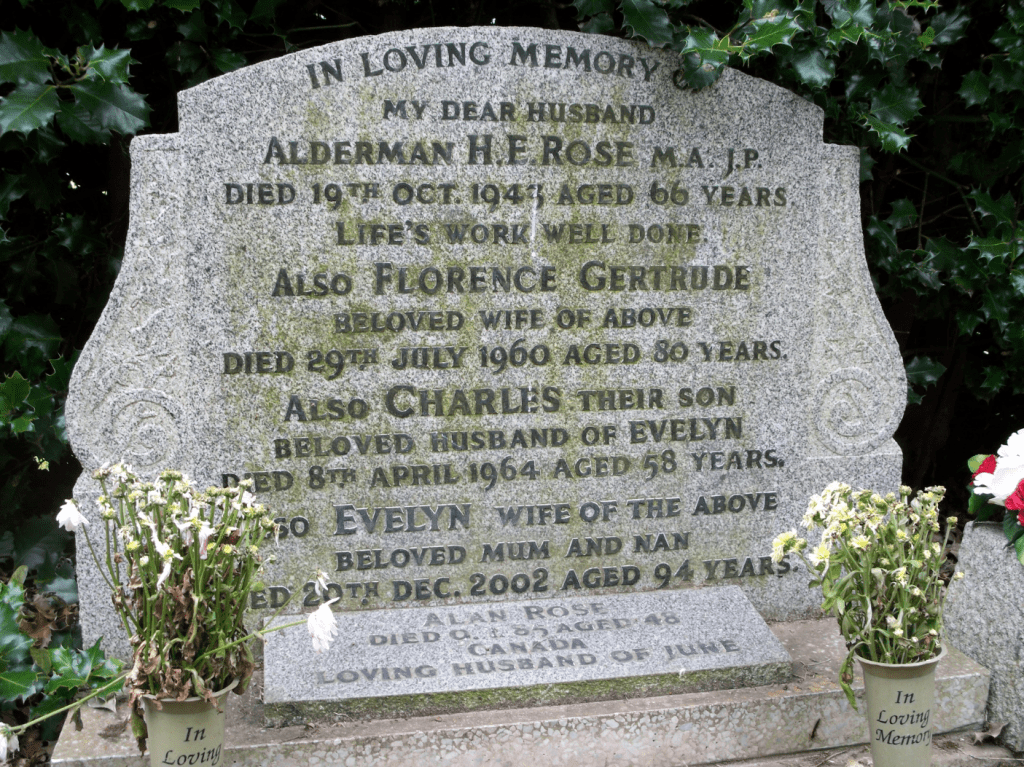
The Rose family’s size was typical of early twentieth-century working-class families, though it placed considerable demands on both parents. Florence’s role in managing the household while Herbert pursued his political and social welfare activities demonstrates the partnership that sustained his public career. She survived her husband by seventeen years, dying on 29 July 1960, having witnessed the significant social and political changes of the mid-twentieth century.
Recognition and Honours
The culmination of Rose’s public service came with the award of an honorary Master of Arts degree by the University of Liverpool on 4 July 1942. The ceremony, held at the Liverpool Royal Philharmonic Hall and beginning at 11:30 AM, was presided over by Professor W. Lyon Blease. This recognition represented not only acknowledgment of Rose’s individual contributions but also the growing respect for Labour politicians and their role in civic life.
The timing of this honour, during the Second World War, is particularly significant. By 1942, Britain was engaged in a total war effort that required unprecedented cooperation between different social classes and political parties. Rose’s recognition during this period reflects both his specific contributions to Liverpool’s civic life and the broader acceptance of Labour politicians as integral parts of Britain’s social and political leadership.
The University of Liverpool’s decision to honour Rose demonstrates the institution’s recognition of practical public service alongside traditional academic achievement. Universities during this period were increasingly acknowledging the contributions of individuals who had advanced social welfare and public service, reflecting changing attitudes toward what constituted worthy achievement in modern society.
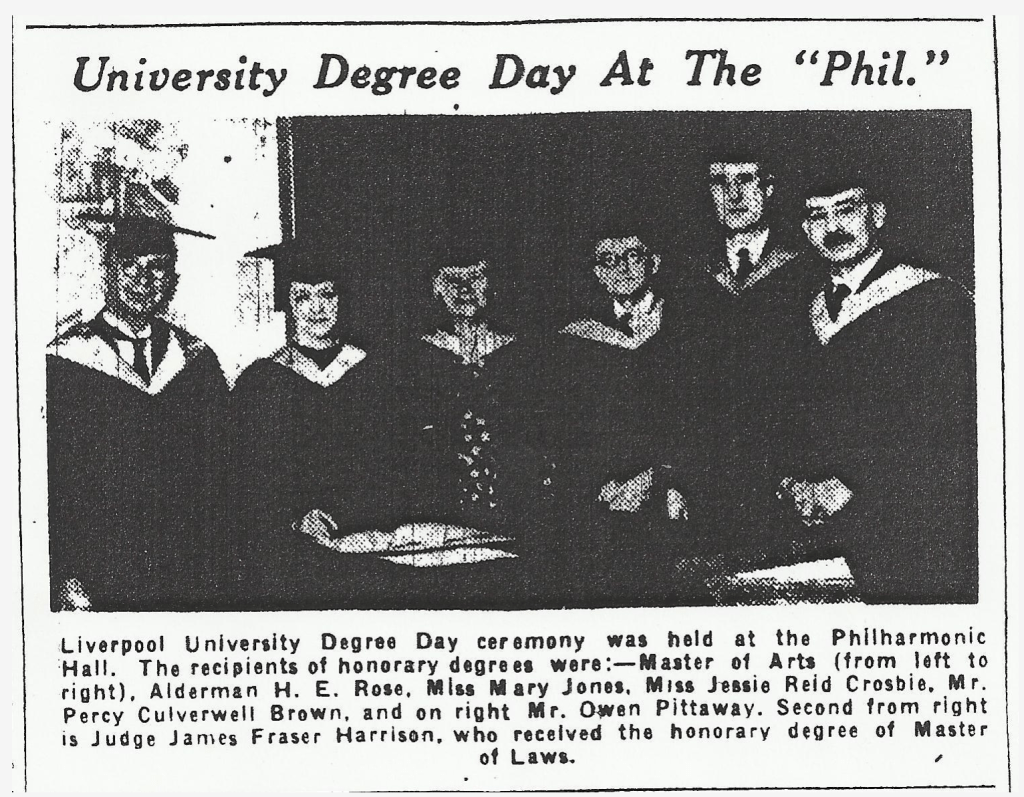
Rose’s inclusion in the university’s list of honorary graduates places him alongside other notable figures who received recognition for their contributions to public life. This recognition was particularly meaningful for someone who had come from modest circumstances and had not had the opportunity for higher education in his youth, demonstrating that dedicated public service could earn the highest academic recognition.
Death and Legacy
Herbert Edward Rose died on 19 October 1943, at the age of 66, in Broadgreen Hospital, Liverpool. His death came during a crucial period of the Second World War, as Britain was beginning to plan for post-war reconstruction and the implementation of comprehensive social welfare reforms. He was buried on 23 October 1943, having witnessed the early stages of what would become the welfare state that he had long advocated.
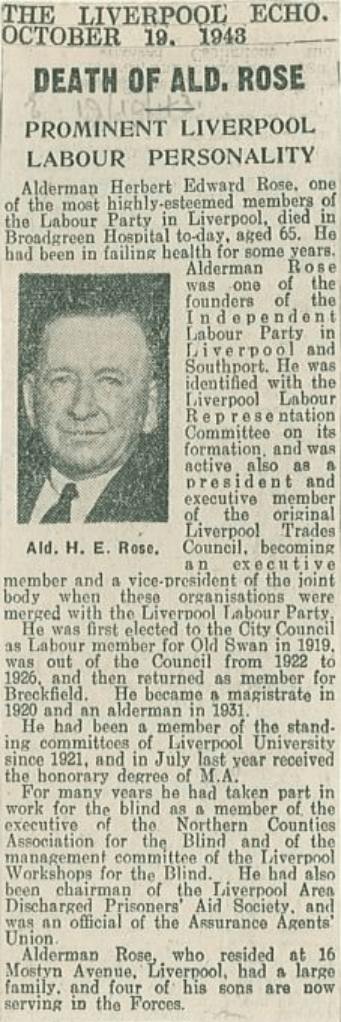
Rose’s death was noted in the municipal records of Liverpool City Council, where an aldermanic election was held on 9 November 1943 to fill his position. This procedural aftermath reflects the institutional continuity that characterized Liverpool’s civic life even during wartime, and the importance attached to maintaining the aldermanic system that Rose had served with distinction.wikipedia
His passing occurred just as the Labour Party was gaining the support that would lead to its landslide victory in the 1945 general election and the implementation of comprehensive social reforms including the National Health Service and expanded social security. Rose’s life work contributed to the foundation of public support and institutional experience that made these later achievements possible.
The legacy of Herbert Edward Rose extends beyond his individual achievements to encompass his role in the broader transformation of British politics and social policy during the early twentieth century. His career spanned the crucial period when the Labour Party evolved from a marginal socialist organization into a major political force capable of implementing comprehensive social reform.
Historical Significance
Rose’s life and career illustrate several crucial themes in modern British history. His journey from family rejection due to his socialist beliefs to civic honour and university recognition demonstrates the profound social and political changes of the early twentieth century. The transformation he witnessed and participated in reflected Britain’s evolution from a rigidly hierarchical society toward a more democratic and egalitarian social order.
His commitment to multiple aspects of social welfare—from blind advocacy to prison reform, from municipal service to trade union organization—exemplifies the comprehensive approach to social improvement that characterized early Labour politics. Rather than focusing on single issues, Rose and his generation of Labour activists understood social problems as interconnected challenges requiring coordinated responses.
Rose’s career also demonstrates the importance of local political leaders in implementing broader social and political changes. While national figures like Keir Hardie and Ramsay MacDonald provided leadership and vision for the Labour movement, individuals like Rose translated these ideas into practical policies and services at the local level. His work in Liverpool’s municipal government and social organizations provided the foundation of experience and public support that made later national reforms possible.
The recognition Rose received from the University of Liverpool in 1942 symbolizes the broader acceptance of Labour politicians and socialist ideals within British society. This transformation from the family rejection he experienced in his youth to academic honour in his later years reflects the success of the Labour movement in establishing its legitimacy and demonstrating the practical value of its approach to social problems.
Conclusion
Alderman Herbert Edward Rose’s life represents a remarkable journey from the Victorian era through the social and political transformations of the early twentieth century. His dedication to public service, commitment to social welfare, and practical application of socialist principles contributed significantly to the development of modern Liverpool and the broader Labour movement. From his early involvement in founding the Independent Labour Party in Liverpool through his recognition by the University of Liverpool, Rose exemplified the possibilities for social mobility and political influence available to those willing to dedicate themselves to public service and social improvement.
His work with organizations supporting the blind, discharged prisoners, and working-class communities demonstrates the comprehensive approach to social reform that characterized the early Labour movement. Rose understood that meaningful social change required sustained effort across multiple areas of public life, from electoral politics to charitable work, from trade union organization to municipal service.
The transformation Rose experienced from family outcast to civic leader reflects the broader changes in British society during his lifetime. His story illustrates how individuals committed to social justice and public service could achieve recognition and influence while remaining faithful to their founding principles. Herbert Edward Rose’s legacy lies not only in his specific achievements but in his demonstration that dedicated public service, guided by clear moral principles, could contribute meaningfully to social progress and human welfare.
His life serves as a reminder that the social and political institutions we often take for granted today were built through the dedicated work of individuals like Rose, who combined ideological commitment with practical skill, personal sacrifice with public service. In an era when civic engagement and public service face various challenges, Rose’s example provides both inspiration and instruction for those committed to social improvement and community welfare.
Hi Ann-Marie, I’m genuinely sorry that this has upset you. The site is very much a work in progress and…
This is disgusting, as a part of this family it’s incredibly inaccurate. Very jaded and entirely inappropriate you have not…


 Hollingsworth Family History
Leave a comment