Wavertree-born. Wartime child. Machinist and shop worker. Fierce mum. Proper nan. Liverpool through and through.
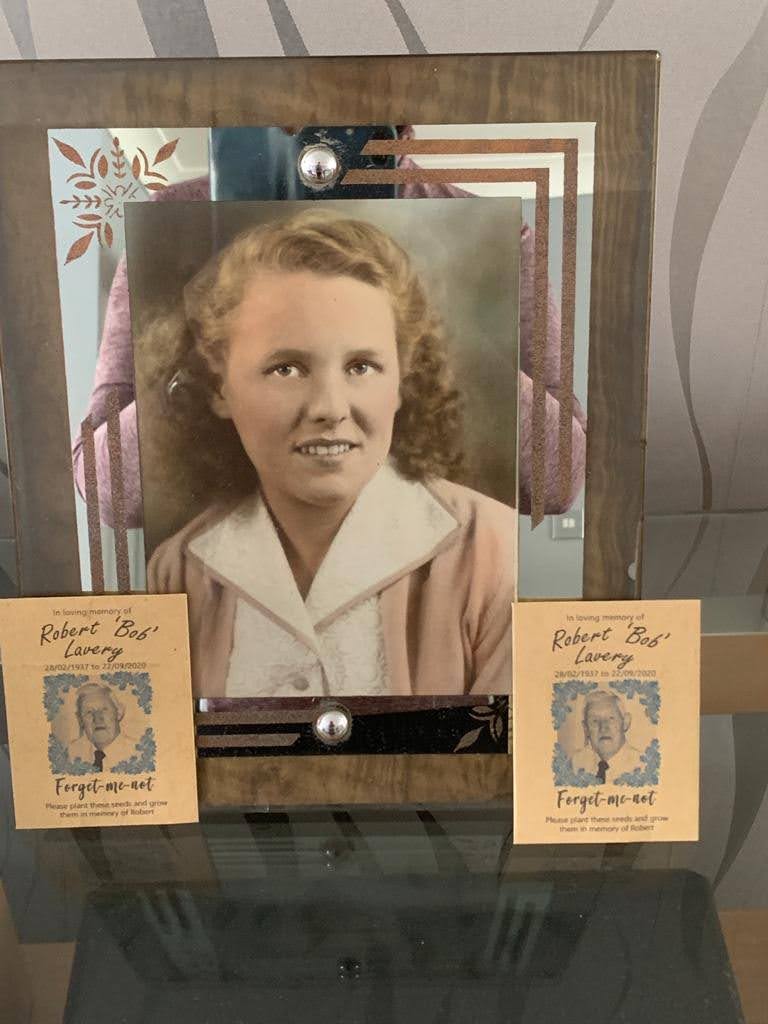
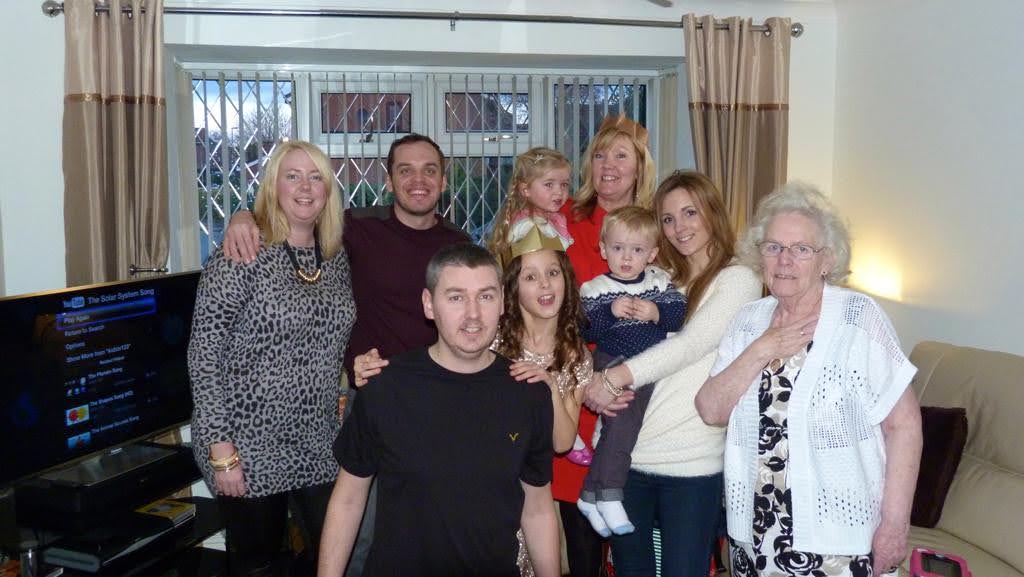
A Liverpool beginning
I picture May’s start in life as many Liverpool stories begin: a terraced street in Wavertree, washing on the line, neighbours who know everyone’s business, and a mother who can stretch a ration book further than seems humanly possible.
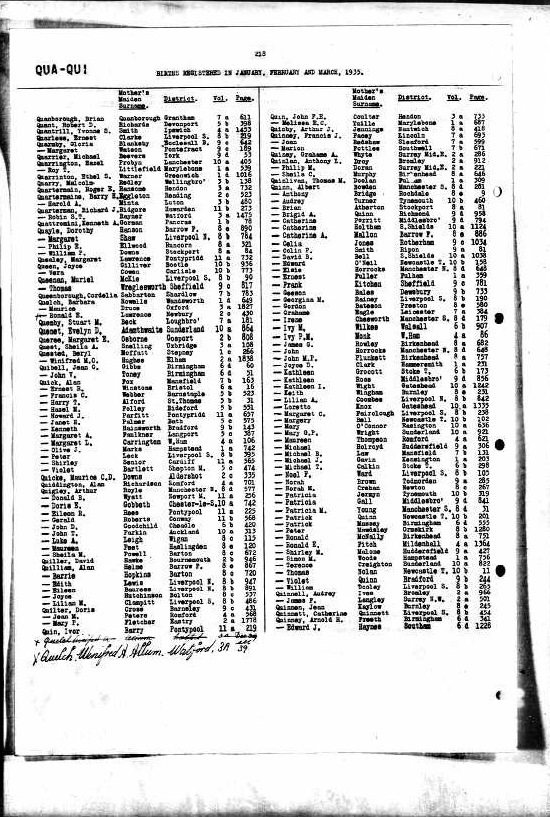
Born in 1935, May’s earliest memories would have been the war years — the sirens, the shelter, and that particular Liverpool mix of fear and funniness that kept people going. Her mum Elsie kept all five girls at home together through the Blitz. No evacuation. No splitting the family. That decision tells you a lot about the kind of household May grew up in: tight-knit, stubbornly loyal, and led by a woman made of iron.
At Lawrence Road School she got the basics — reading, writing, numbers — in a time when lessons could be stopped mid-sum for an air-raid. She came out of it practical, capable and, by all accounts, already a little bit in charge. Being the eldest of five sisters will do that to you. In later years the sisters would laugh that May “ruled the roost.” The affection in that nickname matters. People don’t follow a bully; they follow someone who looks after them.
Work, music and a midnight-blue suit
After school May went to work as a machinist in the Ropewalks — quick hands, long hours, no fuss. It was honest work and it fitted her: head down, standards high. Somewhere between the stitches and the bus rides home, she met a dock lad three years older with an easy grin — Ernie. They danced, they went to concerts, they wore out records. Frankie Laine was their man; all drama and heart. Ernie even turned up on their wedding day in a midnight-blue suit to match the look. That image is pure them: ordinary lives made special by effort and style.
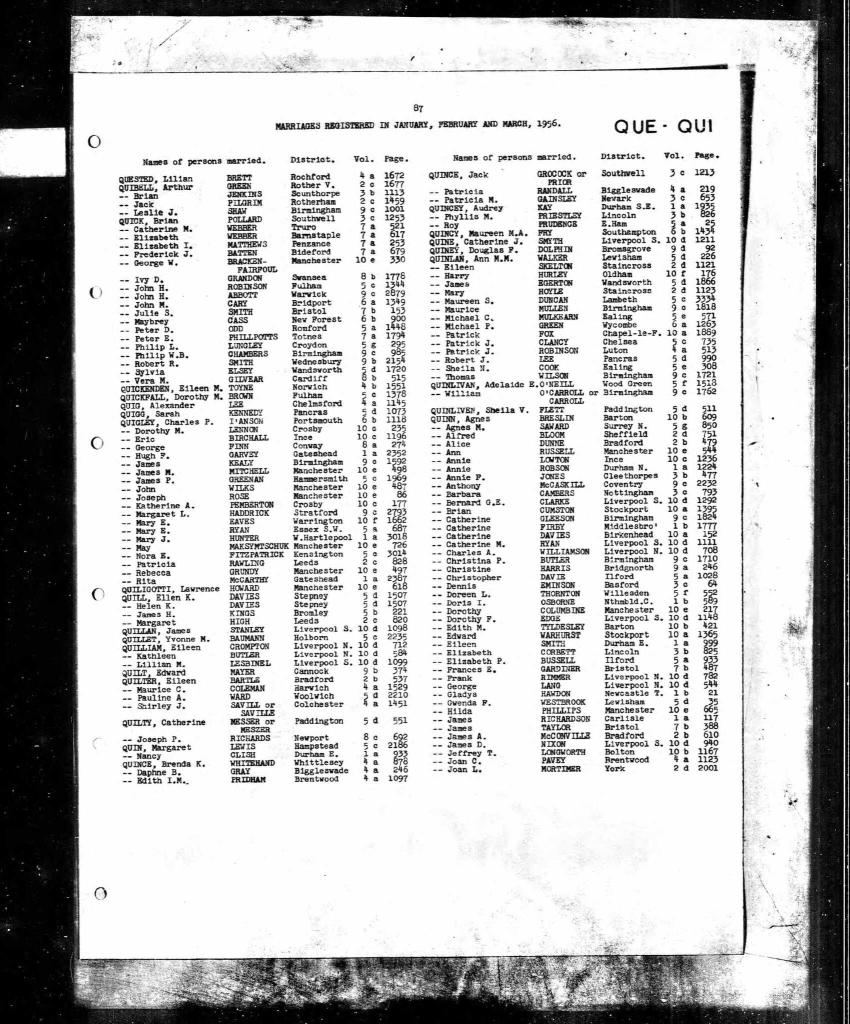
May wanted to marry at 18. Her dad Thomas said no — too young. In those days a father’s say still carried legal weight. So they waited, like sensible lovers do when they’re sure. On 31 March 1956, May 21 and one month, Ernie 24, they married at St Thomas’s. It’s a simple story, really: two working-class kids, a city that can be hard, and a promise to take it on together.
Making a home: Wavertree, strikes and Sunday stews
They set up house back in Wavertree, close to May’s family. Ernie worked the docks — heavy, irregular work that could be plentiful on Tuesday and vanished by Friday if the ships didn’t come or the men were out on strike. It was a life of boom, bust and picket lines, and it was mothers like May who made those years survivable. She stretched meals, kept clothes decent, and insisted on manners. “Well fed, well dressed, and mind your Ps and Qs” — that’s how her children remember it.
Her son was born in 1957, and daughter in 1959. May was tiny — five foot on tiptoe — but if you pushed one of hers, you’d meet the lion. The family tell a story about a teacher who shoved her son; the next morning May was in that school, finger up, voice steady, making it very clear where the lines were. She wasn’t picking a fight; she was drawing a boundary. That was May all over.
Money was never abundant, but life wasn’t grey. There were ferry trips, picnics, Orange Lodge parades in Southport, borrowed caravans to Wales, and one shining holiday to the Isle of Man. At home, Sundays smelled of stews and roast dinners — the kind of cooking that fills bellies, warms houses and leaves a memory that comes back at the oddest times.
Work outside the home: the butcher’s, the fruit shop, the school
When the kids were older, May added paid work to her already full week. G’s Pork Butchers on Earle Road came first. It suited her: she liked people, she liked to be useful, and she knew quality when she saw it. The family swear the best cuts somehow found their way back to the Lesbirel table. There were later spells in a fruit shop and then as a school cleaner — close to home, social, reliable. The job titles were simple; the effect was not. Work kept her in the swim of community life and added a bit of cushion when the docks were slack.
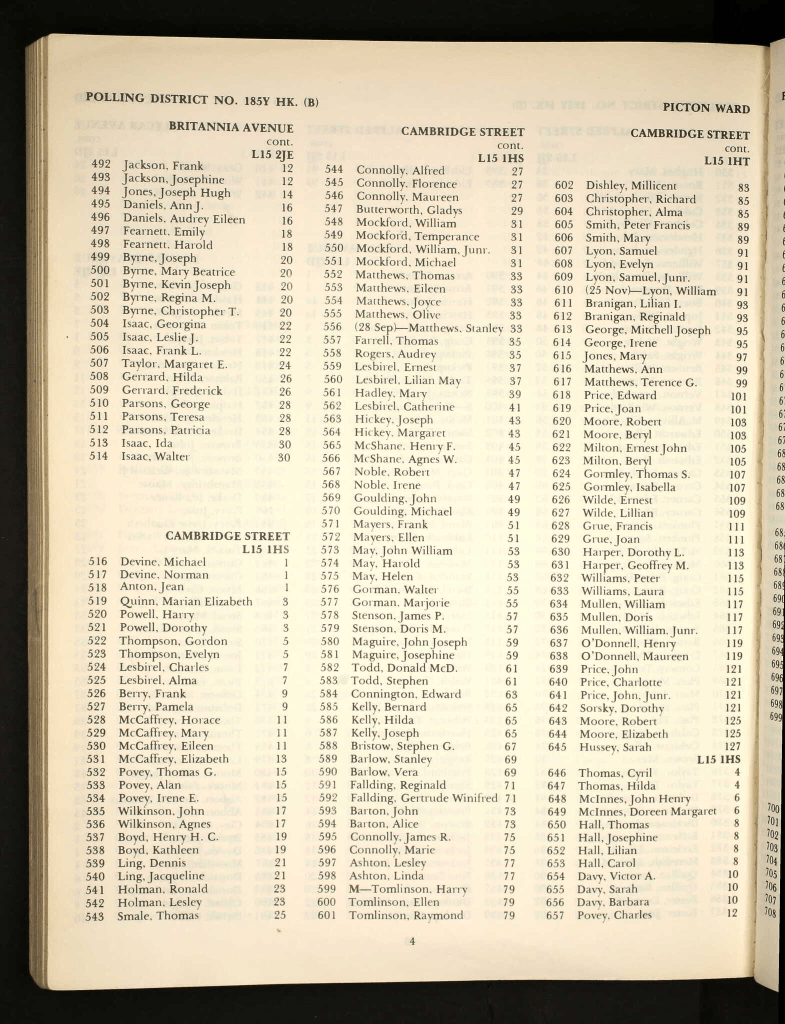
Most evenings, when the weather was half decent, you’d find May on the front step, chatting. Liverpool streets used to run on doorstep talk: news, gossip, advice, a watchful eye on the kids. May was a natural at it — three-hour conversations weren’t unusual. If you lived nearby, you were seen and known.
Nan May
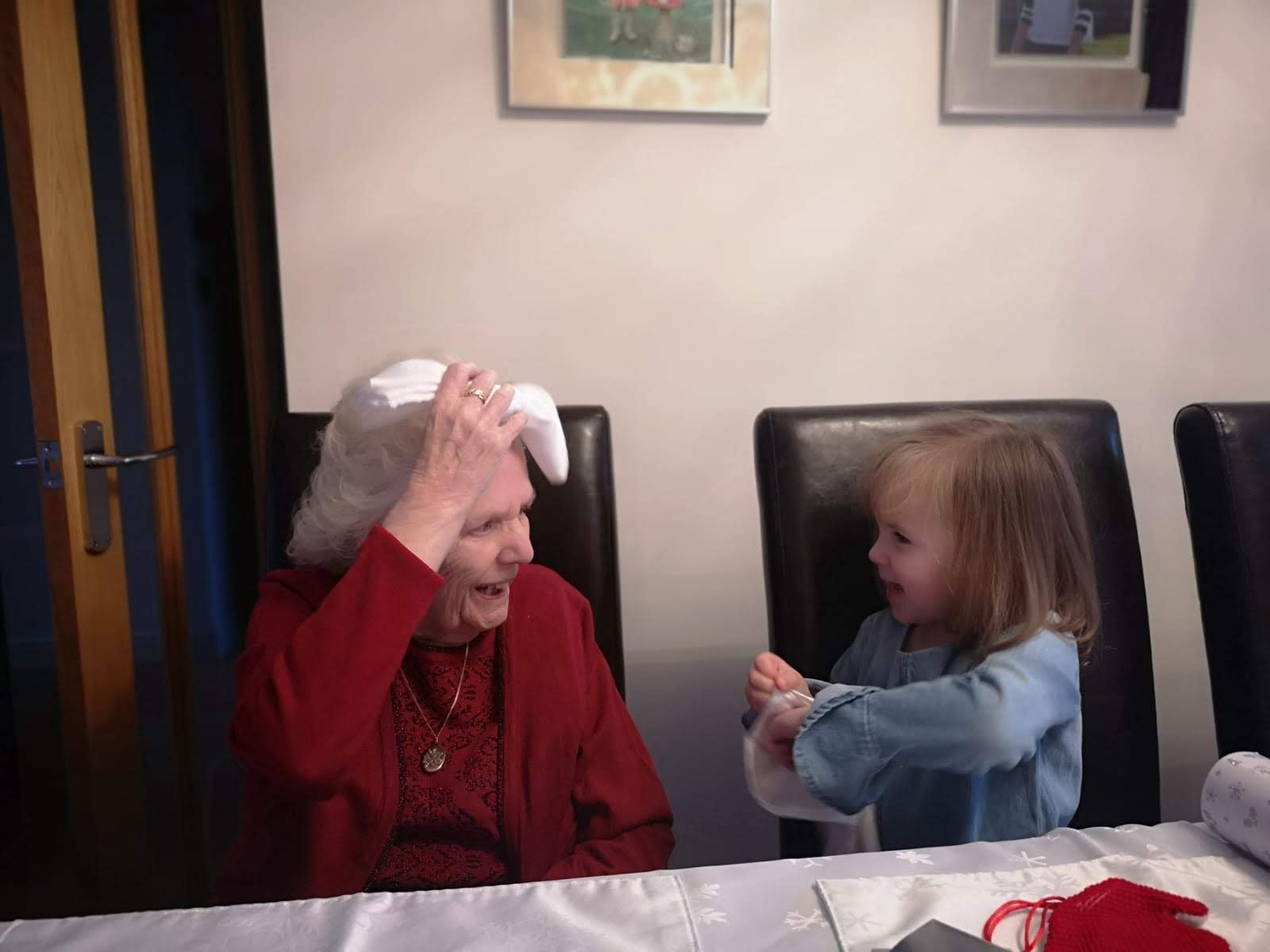
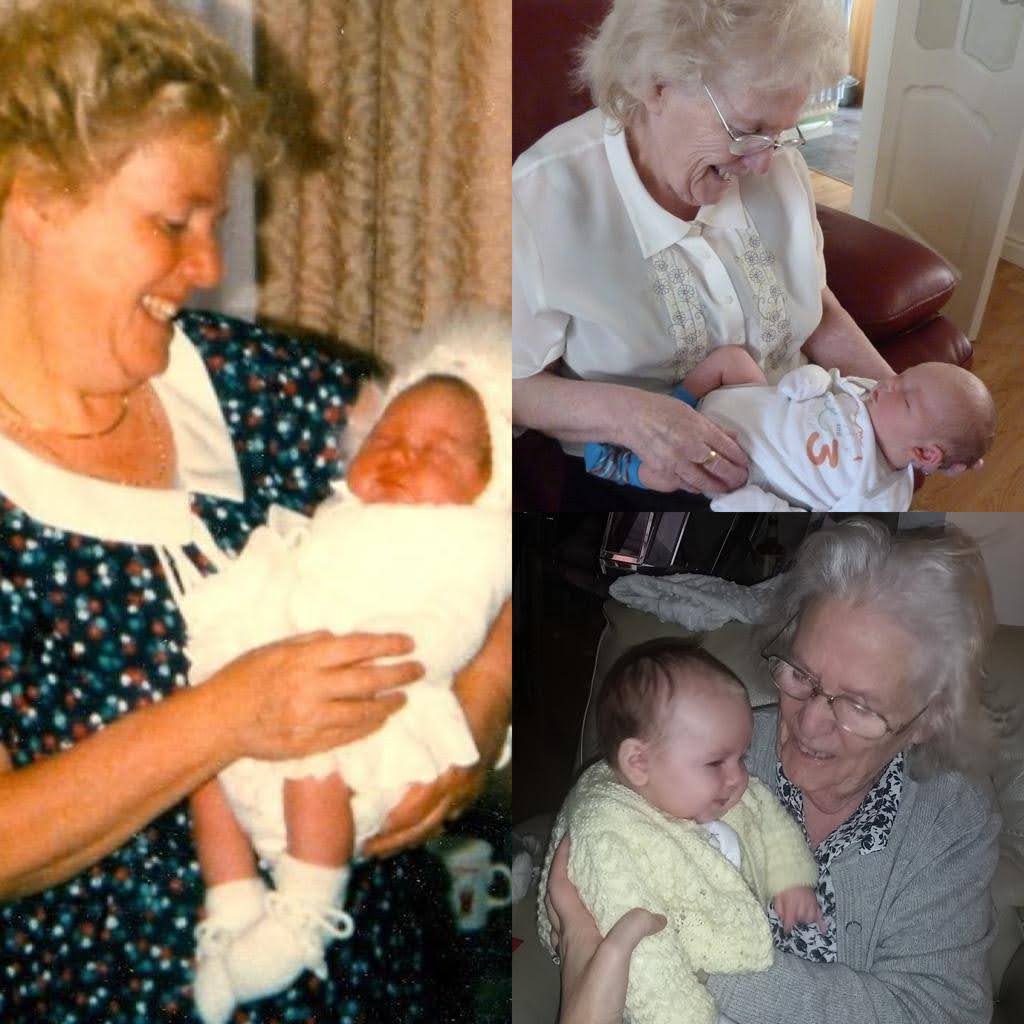
May became Nan in the 1980s. If you’re part of our family, you’ll know how central that made her. The memories are very specific and very May: trips into town with Nan and Auntie Lorraine, small treats that felt enormous, and the ongoing campaign to get a red taxi instead of a black one. Publicly, May would insist you couldn’t pick — “you get what’s at the front of the rank” — then she’d angle quietly towards the red one anyway. Discipline on the surface, soft indulgence underneath.
Every summer there was Blackpool Sandcastle even though May couldn’t swim. She’d sit, she’d watch, she’d laugh, she’d tut at anything too rude (Ernie giggling with the kids beside her), and then she’d take them for a slow wander through the rock shops hunting for just the right daft thing. Weekends at Nan and Grandad’s meant morning cuddles with May and one of Grandad’s famous breakfasts. It was ordinary magic and it did what love is meant to do: it made the world feel safe.
Later came the great-grandchildren and though illness eventually stole names and dates from her, the warmth never left. Music could still bring her back into the room.
The Halewood years
May retired around 60 (mid-1990s) and she and Ernie moved out to Halewood — quieter streets, newer houses, still close enough for family to come and go. She made good friends there — Bella and Gary especially — the kind of neighbours who make sure there’s a plate for you on Sundays and a check-in if your curtains don’t open on time. May always built community wherever she lived; Halewood was no different.
Loss and the long goodbye
In May 2010, after 54 years of marriage, Ernie died, peacefully in his sleep. There isn’t a clever line for that kind of grief. May was devastated. You don’t just lose a husband; you lose the person who knows all your stories from the beginning and laughs in the same places you do.
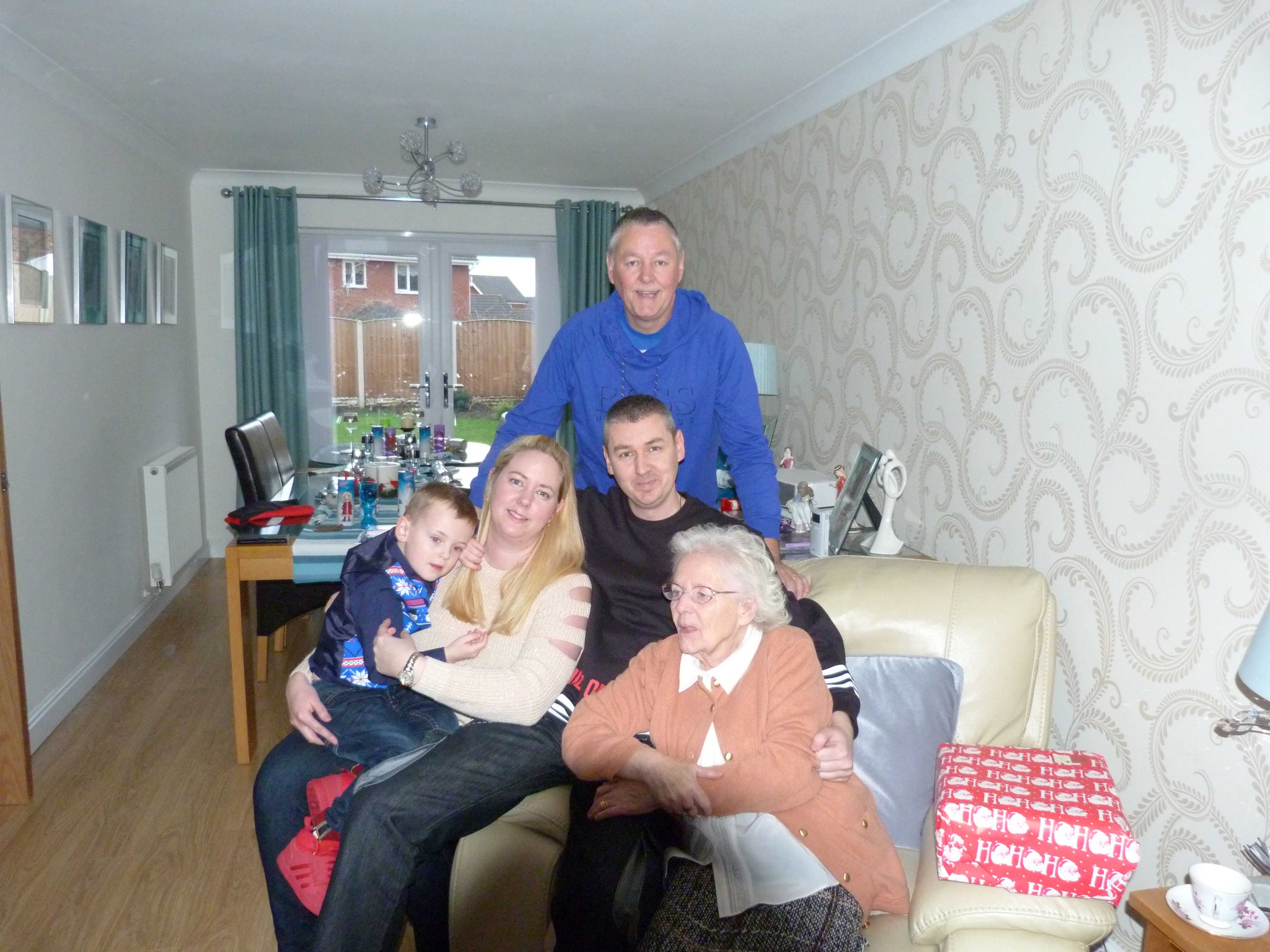
Around this time, the family began to notice forgetfulness turning into confusion. In our telling we describe it as “the long goodbye” — more than ten years of it. Even so, there were bright spells. She found a kind of independence for a while, days out to garden centres, drives with her son and daughter-in-law, music in the car. May always loved a sing — country & western, Charlie Landsborough, Engelbert — and she wanted her songs on, please and thank you. If May’s daughter-in-law sang too loud, May would tell her off with a smile: “I’m the star.”
As care needs grew, there were hospital stays and care homes. What matters for our page isn’t a list of institutions — it’s that family kept showing up. Hair done. Hands held. Songs played. The standards remained, even then: no tea in a mug, always a cup and saucer. It sounds like a small thing. It isn’t. It’s the thread of self pulled through to the very end.
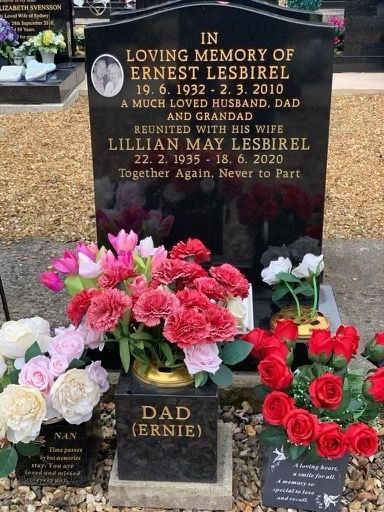
On 18 June 2020, aged 85, May died peacefully. We buried her with Ernie at Allerton Cemetery. If you visit, you’ll see why people speak of that place with love — trees, birdsong, and room to breathe.
Who she was
- Strength, properly used. Five feet tall, strong as an ox, and all of it bent towards care.
- Standards. Your shoes were cleaned, your tongue was kept in order, and tea came in china.
- Community. Front-step talk, shop-counter chat, Labour Club nights — May wove herself into places.
- LFC. Red to the core. Football as family, not just a game.
- Music. Big voices, big feelings. She fancied herself a singer and, in her house, she was.
- Generosity. If you were hers, you didn’t go without.
The dash between the years
On the headstone there are two dates and a dash. We say this a lot on the site because it’s true: it’s the dash that matters. May’s dash holds a city at war and at work, a marriage that lasted a lifetime, children raised well, grandchildren spoiled just enough, friendships kept, standards held, and a long farewell borne with grace.
Rest easy, May. We’ll keep the stories going. We won’t forget you — not ever.
Acknowledgements & sources (family-held)
I’ve built this page from our family documents and memories: May’s birth certificate and funeral eulogy, burial details, and the stories passed down by family members and the wider Quilliam/Lesbirel clan. If you spot something I’ve missed, tell me — I’ll correct it here so we keep her record true.
Hi Ann-Marie, I’m genuinely sorry that this has upset you. The site is very much a work in progress and…
This is disgusting, as a part of this family it’s incredibly inaccurate. Very jaded and entirely inappropriate you have not…


 Hollingsworth Family History
Leave a comment