A Liverpool Working Man’s Life
Ronald “Ronnie” Hollingsworth was born on 28 August 1932 in the heart of Liverpool, the eldest son of Richard Hughson Hollingsworth and Mary Burns. His parents were already in their forties when he arrived, a later-in-life child in a city still feeling the shadow of the Great Depression. Liverpool in the 1930s was a place of resilience — tight-knit families, terraced streets, and a shared determination to get by no matter what life threw at you.
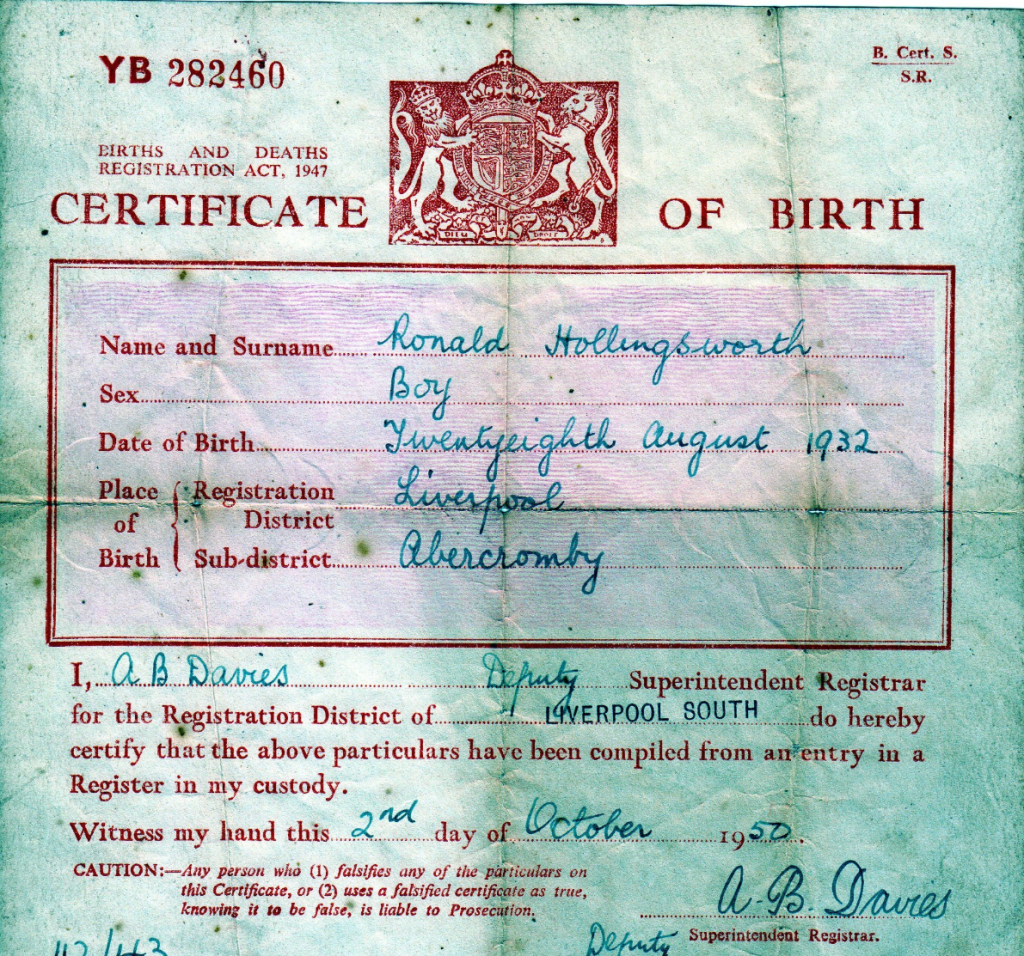
Ronnie grew up alongside his younger siblings Albert, Sarah, and Richard, part of a generation of Liverpool children whose early memories were shaped by wartime Britain — rationing, air raid sirens, and the camaraderie of families helping one another through tough times. His parents both lived long enough to see him build a life of his own: his father passed away in 1961, and his mother survived into her eighties, dying in 1972.
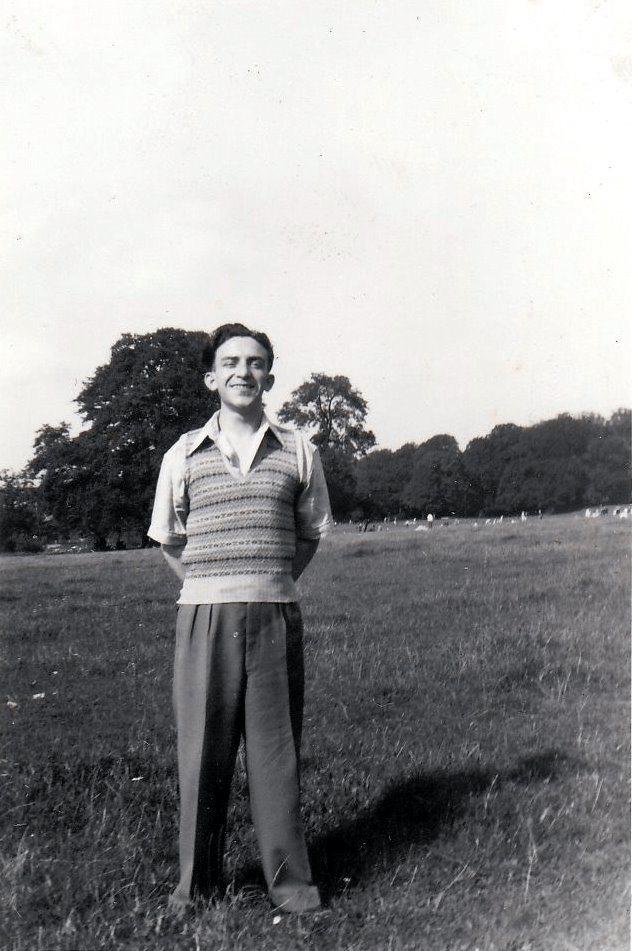
Courtship and Marriage
Like so many post-war love stories, Ronnie’s began in the dance halls of Liverpool in the early 1950s. It was there he met Constance Violet Marie Howey, known to family as Connie. The story goes that Ronnie announced his intentions to her sister Shirley, declaring that he planned to “court your Connie” — and, true to his word, he did. Their romance played out in the way many did at the time: evenings at “the pictures,” walks home through lamplit streets, and the simple joy of sharing ice cream or a packet of sweets.
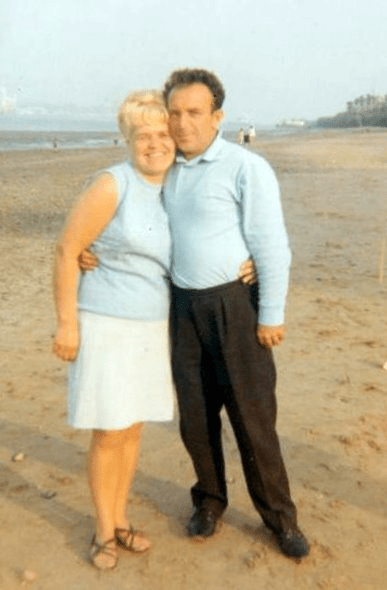
Taken from an interview with Connie in 2011
Ronnie first met Connie in Liverpool, where he lived just around the corner from her. He had taken a liking to her early on and was determined to win her over, even though, as Connie later laughed, she “never felt that way about him” at first. She remembered sitting on the steps with her sister Shirley when Ronnie declared, “I want to court your Connie,” prompting Shirley to playfully hit him over the head. Around that time, a group of young men would often gather on the street corner, teasing about who’d be the first brave enough to ask Connie out. One of them tried his luck, but it was Ronnie who finally captured her attention. Their courtship began with simple outings to the cinema — “the pictures,” as Connie fondly called them — sharing ice cream and sweets, the start of a love that would fill their life together with laughter and warmth.
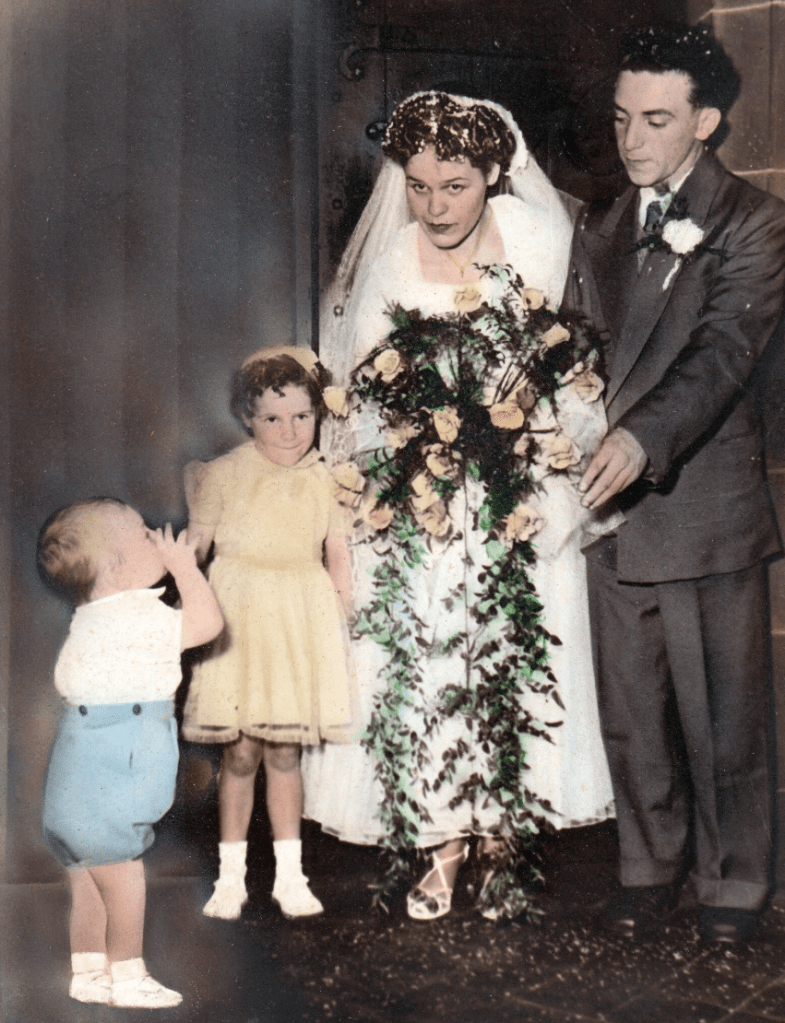
They married on 25 July 1953 in Liverpool South, a young couple setting out together in a city that was beginning to rebuild itself after the war. Their only child, was born a few years later, during a time when Liverpool’s economy was changing and new industries were beginning to replace the old.
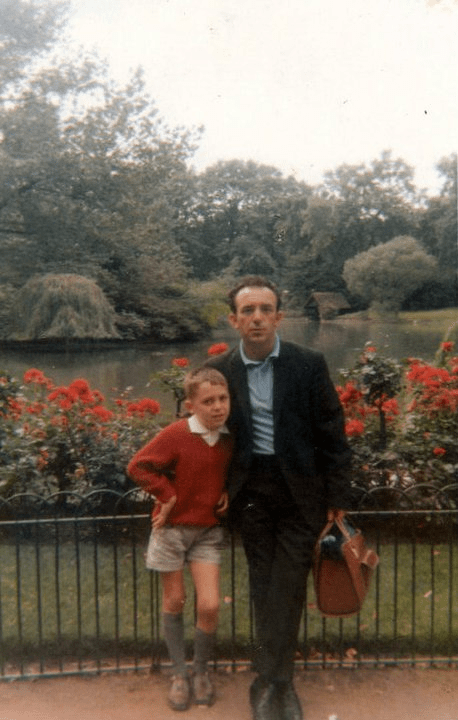
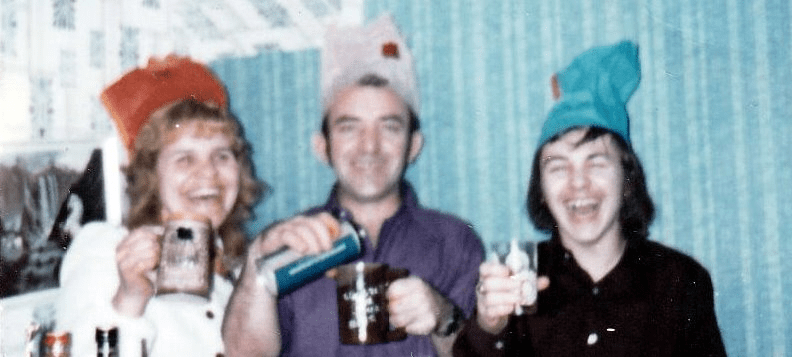
Work and Daily Life
Ronnie spent much of his early working life as a railway porter, a physically demanding but steady job that came with structure and security. Like many Liverpool men of his generation, he took pride in hard, honest work. In the 1960s, as traditional jobs on the docks and railways began to decline, Ronnie moved into the car industry — taking up work at Ford’s Halewood plant, which had opened in 1963.
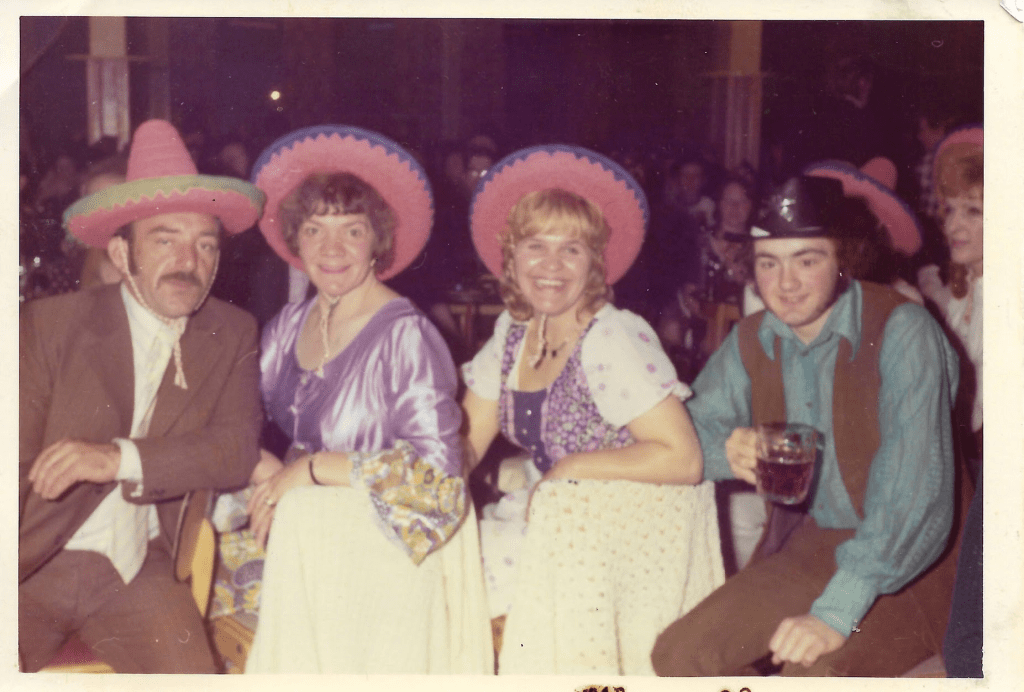
For thousands of Liverpool families, Ford represented modernity and opportunity — cleaner conditions, better pay, and a sense of pride in producing something tangible. Ronnie’s shift from the railways to Ford mirrored the wider transformation of Liverpool’s workforce in that era, as the city moved from heavy industry into manufacturing.
Home and Community
By the late 1960s, Ronnie and Connie were living at 13 Lothian Street, a row of terraced houses typical of Liverpool’s working-class neighbourhoods. Life revolved around family, neighbours, and the local pub — or, in Ronnie’s case, two pubs, one at each end of the street. He was a familiar face on the darts team, a regular at the bar, and part of the close-knit community spirit that defined those areas.
In Liverpool during the 1970s, pubs were more than drinking spots — they were social hubs. Darts nights, local leagues, and pub competitions gave men like Ronnie a sense of belonging and friendly rivalry, a chance to unwind after long shifts at work.
A Life Cut Short
Tragically, Ronnie’s life ended far too soon. On 23 June 1973, while still only 40 years old, he suffered a fatal heart attack. He died at Huyton’s Royal Infirmary, the cause listed as myocardial infarction. Family stories suggest he may have been at work on the railway when it happened.
Heart disease was sadly common among working-class men of that generation — the product of demanding physical labour, shift work, smoking, and the stress of providing for a family. His sudden death left Connie and 15-year-old son facing an uncertain future, like so many families who lost their breadwinners in that era.
Resting Place and Remembrance
Ronnie was laid to rest in Kirkdale Cemetery on 26 June 1973, just three days after his passing. His grave lies among thousands of others belonging to Liverpool’s working men and women — dockers, railwaymen, and factory workers whose lives built the fabric of the city.
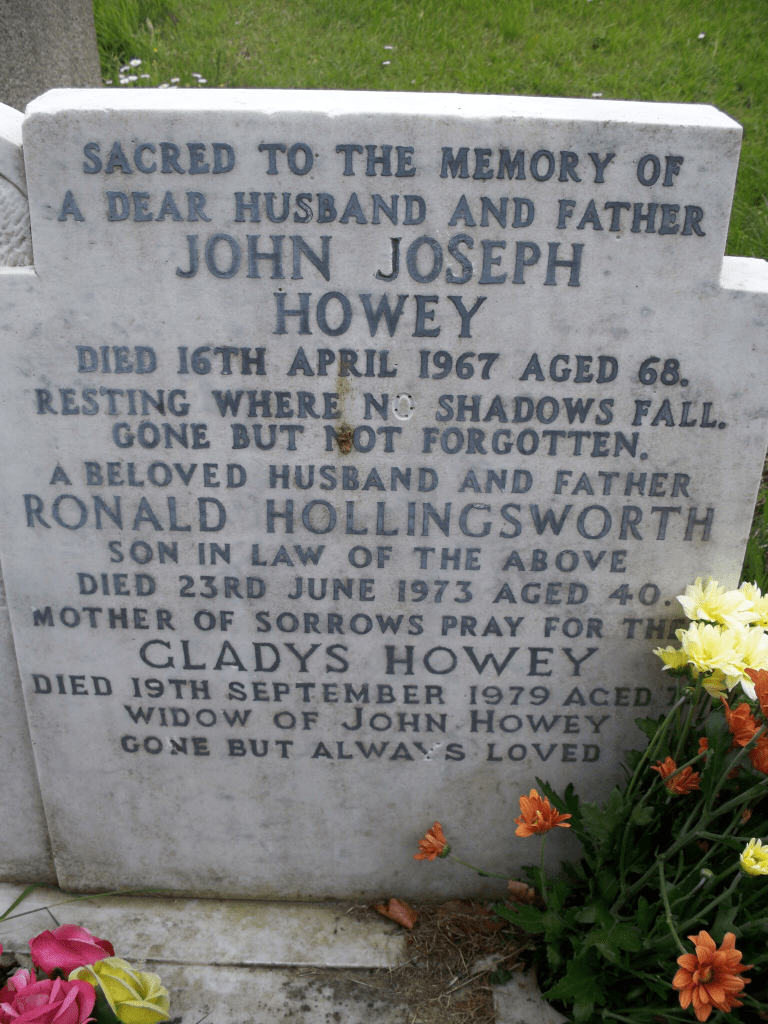
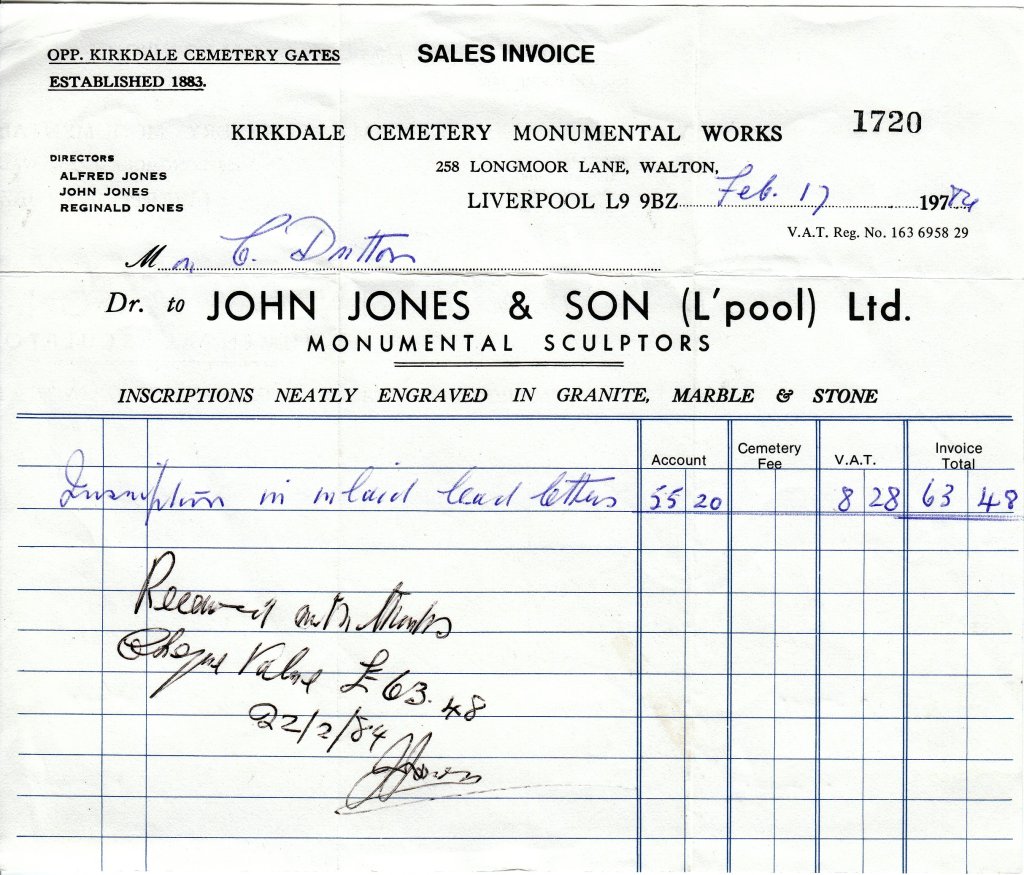
A memorial was later added to mark his resting place, costing just over £63 — a meaningful expense for the family at the time. The inscription, made with metal letters, was simple but heartfelt, symbolising the family’s enduring love and respect.
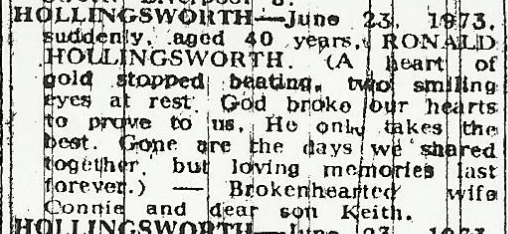
In the days following his death, the Liverpool Echo carried multiple memorial notices. Family, friends, and workmates left tributes describing him as a man who “worked so hard for those you loved” and had “a heart of gold.” The fact that so many people took the time to pay tribute speaks volumes about the kind of man Ronnie was — hardworking, kind, and loyal to those around him.
Legacy
Ronald Hollingsworth’s life reflects the story of a generation — born into hardship, coming of age during wartime, and building a life in post-war Liverpool with pride, resilience, and humour. His shift from railways to Ford’s production lines tells the story of a city in transition, while his early death reminds us of the toll those working lives could take.
Today, his story lives on through his family — through the memories passed down, the documents carefully kept, and the photographs that capture a smiling young man in his prime. Ronnie’s life, like so many others of his generation, might not have made headlines, but it helped shape the Liverpool we know today — a city defined by its people, its humour, and its heart.
Key Facts
- Birth: 28 August 1932, Liverpool, England
- Parents: Labourers
- Marriage: Constance Violet Marie Howey (1953)
- Occupation: Porter
- Children: One
- Death: 23 June 1973, Liverpool
Hi Ann-Marie, I’m genuinely sorry that this has upset you. The site is very much a work in progress and…
This is disgusting, as a part of this family it’s incredibly inaccurate. Very jaded and entirely inappropriate you have not…


 Hollingsworth Family History
Leave a comment